Witherod Viburnum — A Shrub of Many Colors
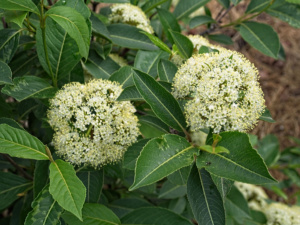
Photo by F.D. Richards, SE Michigan
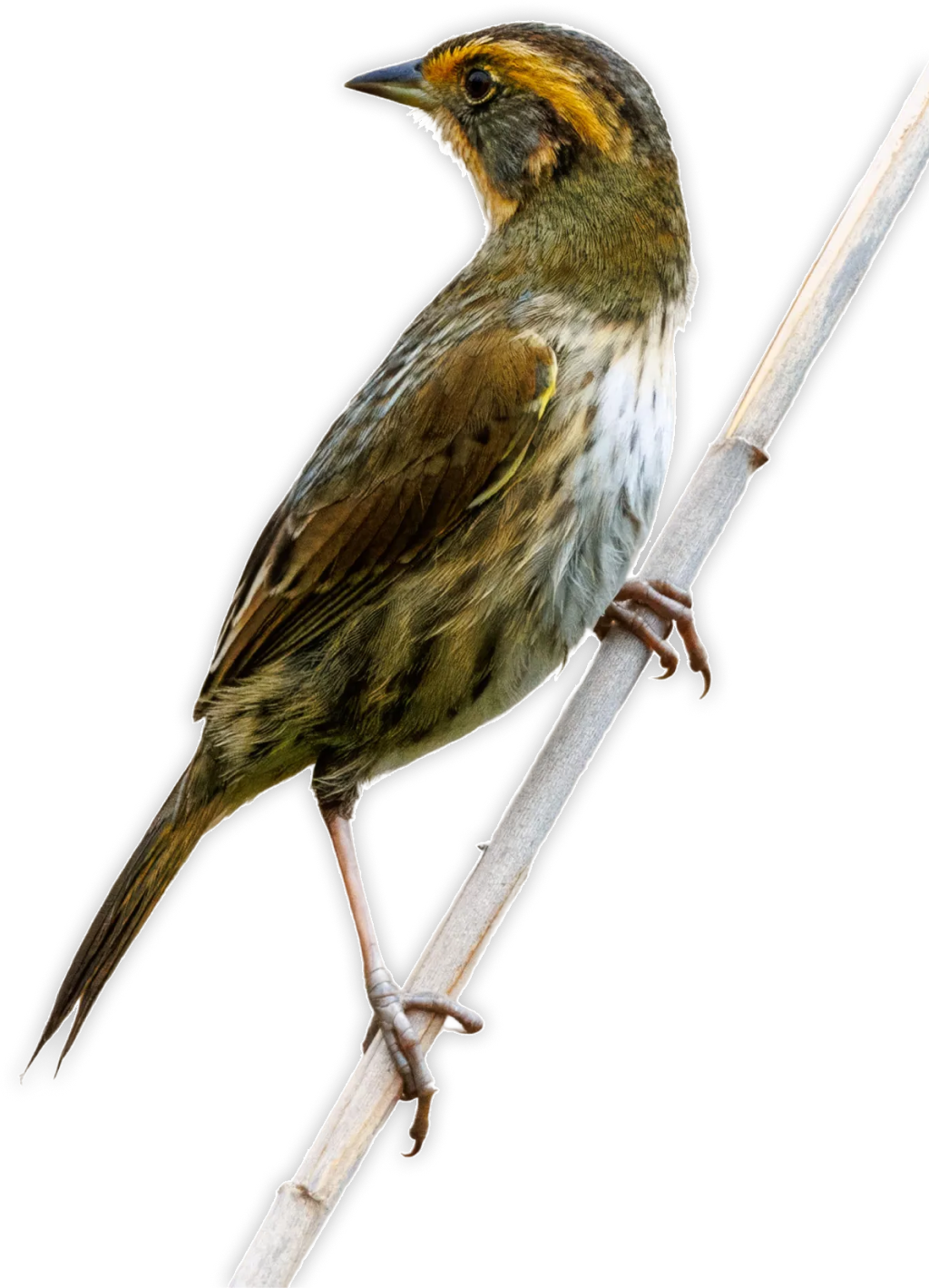
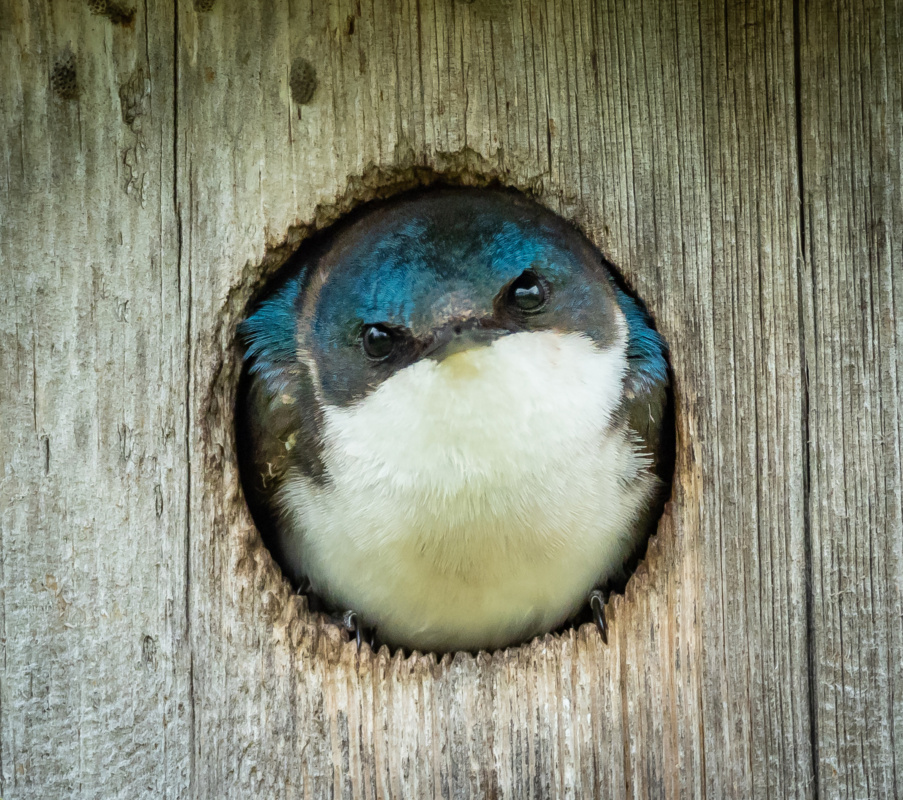
Fall migration is now underway, when millions of birds fly thousands of miles from their breeding grounds to their winter destinations. Songbirds often fly hundreds of miles in one night at high altitudes. When they stop to rest and refuel along the way, they need nourishing, high-fat food and clean water.
Birds that mainly eat insects earlier in the year will often shift to fat-rich fruit before and during migration. One of the best ways to help these migrants is to plant fruit-bearing native shrubs and trees that provide crucial sustenance at this time of year.
Native viburnums are valuable plants for the bird-friendly garden. Several produce fruit containing up to 40% fat that ripen during migration season. In contrast, exotic invasive plants — such as multiflora rose and Japanese honeysuckle — produce fruit with very low fat content and insufficient nutrition for migrating birds.
Witherod (or withe-rod) viburnum (Viburnum nudum var. cassinoides), also known as northern wild raisin, is a stand-out among the native viburnums. A closely related species, Viburnum nudum var. nudum, also called witherod, possomhaw, or southern wild raisin, is also native to Connecticut but is somewhat less cold tolerant than its northern cousin.
Both witherod varieties display eye-catching berries, called drupes, that begin ripening in August, turning from green to pink to blue and finally purple as they mature. All of these colors may appear at one time, creating a striking display.
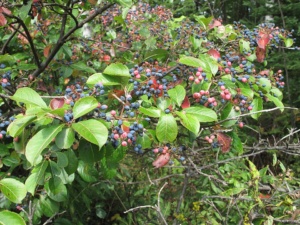 Witherod fruit attracts thrushes, mockingbirds, catbirds, phoebes, and grosbeaks. Hermit Thrushes have been seen eating witherod fruit in suburban gardens even though they are not typical backyard visitors. Year-round residents like the Northern Cardinal, American Robin, Eastern Bluebird, Northern Flicker, and Cedar Waxwing also eat witherod fruit.
The colorful drupes are not the only attractive feature. In May and June, witherod bears lacy cymes, which are disc-like clusters of creamy-white flowers typical of viburnums. In fall, the foliage may be yellow, orange, red, or purple. Like the fruit, different colors may be displayed simultaneously.
Witherod’s high value to wildlife is not limited to birds. The flowers attract mining bees, sweat bees, leafcutter bees, bumblebees, honeybees, and beneficial wasps. Butterflies and moths also feed from the flowers. Native viburnums are also host to 110 species of lepidoptera, including the isabella tiger, promethea silk, imperial, and hummingbird clearwing moths; these insects lay their eggs on the plants, and the larvae feed on the leaves after hatching. Small mammals forage for the fruit. Deer will sometimes browse the leaves, but witherod is not a preferred plant for them.
Witherod is native from eastern Canada south to Florida and west to Texas and Minnesota. It typically grows along streambanks and in other moist woodland areas but is adaptable to drier soils once established. In fact, witherod is often found in the transition zone between wetland and upland areas, where it forms dense colonies that provide excellent wildlife habitat and help control erosion.
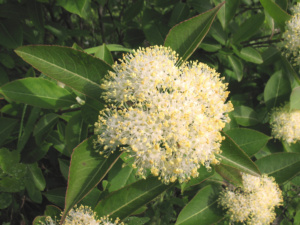
Photo by Marilee Lovit
This deciduous shrub grows in a dense, rounded form with arching stems. Its mature height is usually 5 to 6 feet, but in ideal conditions, it may reach 10 or 12 feet. Remarkably, witherod tolerates full sun to full shade. With plenty of light, it will grow denser with more flowers and fruit. In shade, it will assume a looser form.
Witherod can be used in many ways by the home gardener, including in hedges and rain gardens, as a specimen planting, or as a transition between lawn and wooded areas. These “edge habitats,” also called ecotones, are especially valuable to birds. If you have the space, plant witherod in masses, where its natural form and dense growth habit will create excellent nesting and shelter options for birds.
Good companion plants for witherod at a woodland edge include elderberry, highbush blueberry, inkberry, ninebark, and shrub dogwoods. I have a number of witherod at the edge of my mini meadow, where I’m encouraging hay-scented fern to grow in between the shrubs. I’ve been delighted to see some blue mistflower appear as well, which will be especially attractive in combination with the pink and blue fruit of the witherod.
Indigenous people have used witherod in food, medicine, tools, and basket making. The origin of its name is a combination of the old English withe, flexible or willow-like, and rod, a shoot or stem. While the fruit is edible, it can be astringent unless fully ripe.
A final note for fall migration: Turning off unnecessary lights at night helps prevent migrating birds from becoming disoriented and reduces the risk of window collisions. Visit Lights Out Connecticut for more information.
Each month, Homegrown Habitat features a native plant that supports birds and beneficial insects and is suitable for residential gardens. This column is written by Sarah W. Middeleer, a landscape designer and member of the Connecticut Audubon Society’s Board of Directors.
Do you have favorite native plants in your garden or questions about native plant gardening? Email homegrown@ctaudubon.org with questions or observations.
Resources
Books:
Mark Richardson and Dan Jaffe, Native Plants for New England Gardens, Globe Pequot, 2018
Websites:
Biota of North America Project (BONAP)
Go Botany by the Native Plant Trust
National Wildlife Federation Native Plant Finder
North Carolina Extension Gardener Plant Toolbox – Viburnum cassinoides
North Carolina Extension Gardener Plant Toolbox – Viburnum nudum