Arizona’s Desert Bloom
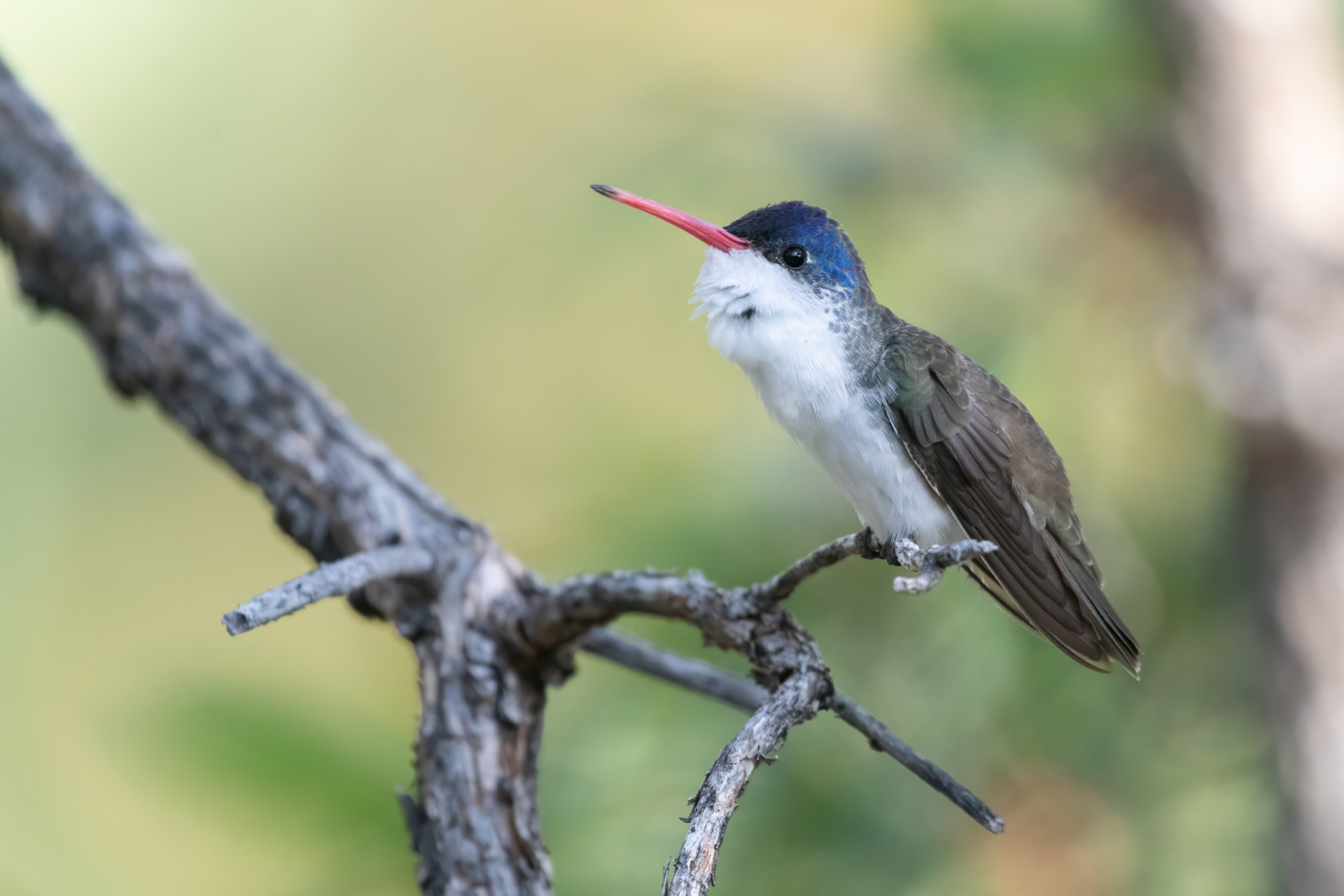
Late July in southeastern Arizona is a season of transformation. The summer monsoons breathe new life into the desert, turning arid landscapes into lush oases teeming with wildlife. It’s prime time for hummingbird enthusiasts with up to 15 dazzling species spotted, including the striking Blue-throated Mountain-gem and Violet-crowned Hummingbird. The “Sky Islands”, isolated mountain ranges around Tucson, are home to species found nowhere else in the United States, including Mexican Chickadee, Red-faced Warbler, and Yellow-eyed Junco. Explore a mosaic of habitats, from cactus-dotted foothills to cool, pine-shaded canyons. This vibrant region’s biodiversity and stunning vistas draw birders from around the globe!
Itinerary
Day 1
We’ll depart from home airports nice and early. Depending on arrival time in Arizona, we’ll either head out for some afternoon birding or head right to the hotel and relax after a long day of travel.
Night: Tucson
Meals: D
Day 2
We’ll hit the ground running, bright and early, before the desert heat sets in. Our first destination will be the Tucson Mountains, west of the city. The edge of the Sonoran Desert, the mountainside is dotted with towering saguaros, one of the largest cactus species. Among these towering giants, we’ll search for characteristic desert species, including the aptly-named Cactus Wren, Gila Woodpecker, Gilded Flicker, Costa’s Hummingbird, and Rufous-winged and Black-throated sparrows.
When the desert heat rises, we’ll retreat to the water’s edge of the local wastewater treatment plant, known as Sweetwater Wetlands. This reliable source of water provides habitat for waterfowl and other aquatic species, including herons and shorebirds. After we’ve checked every corner, we’ll make a stop for lunch before heading towards Portal, near the New Mexico border.
On the way, we’ll stop in the small town of Willcox, where a golf course and two nearby ponds are yet another source of water in the desert. In recent years, Bendire’s Thrashers have nested in the shrubs around the course. If we’re lucky, we may even run into some Scaled Quail as they scurry through the brush.
Night: Portal
Meals: B
Day 3
The whole day will be dedicated to exploring the Chiricahuas, the first of the “sky islands” we’ll explore on this trip. As the sun rises, we’ll check the surrounding desert and open areas for species such as Crissal Thrasher, Chihuahuan Raven, and Loggerhead Shrike. Some years, there’s even a nesting pair of Thick-billed Kingbirds right in the center of town. We’ll retreat into Cave Creek Canyon as the heat sets in, checking one of the fork roads for Elegant Trogon, Arizona Woodpecker, Sulphur-bellied Flycatchers, and our first Mexican Jays.
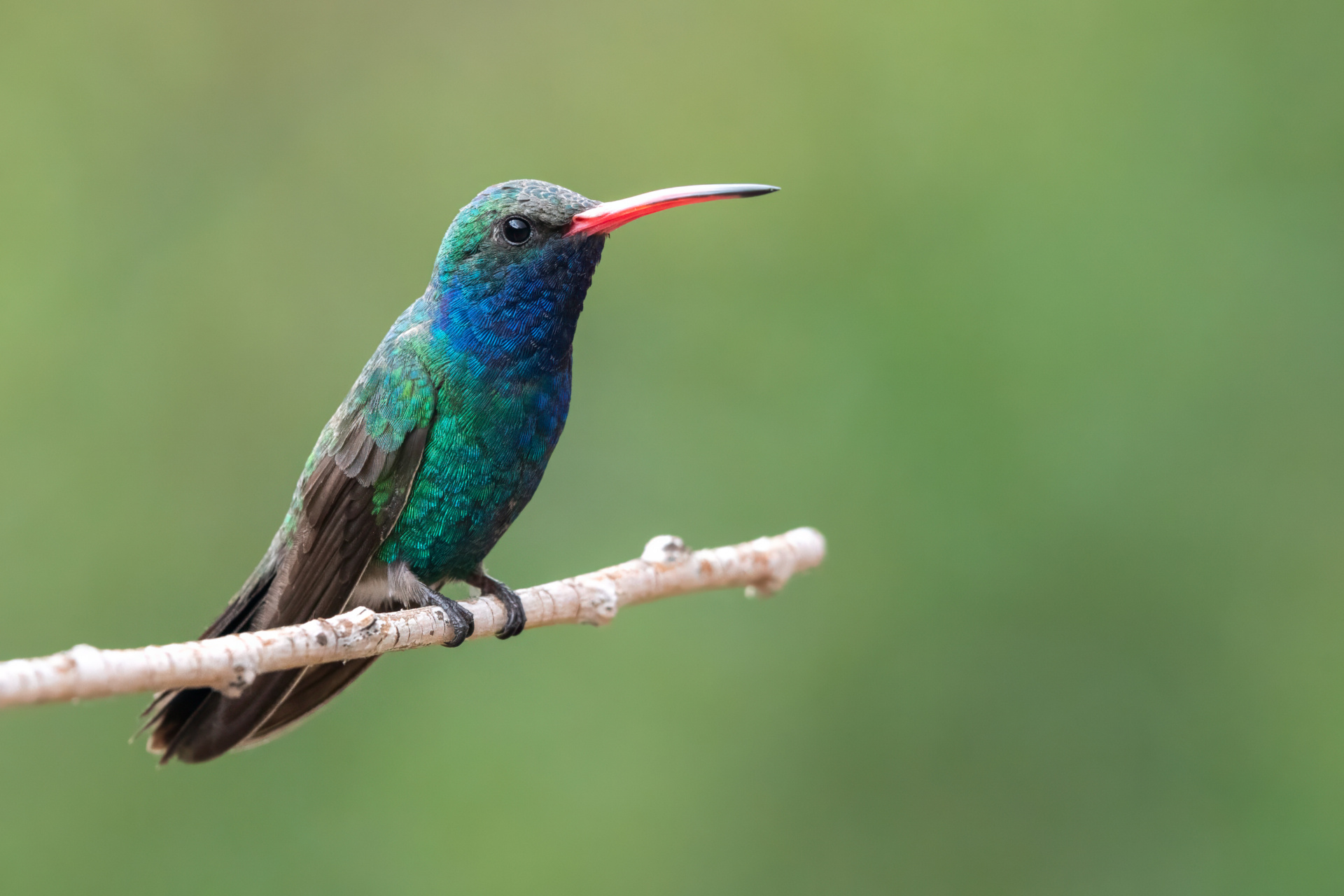
Further up canyon, a research station affiliated with the American Museum of Natural History has hummingbird feeders that will give us our first taste of the diversity of the region, with Blue-throated Mountain-gem, Rufous, Black-chinned, Rivoli’s, and Broad-billed hummingbirds all possible.
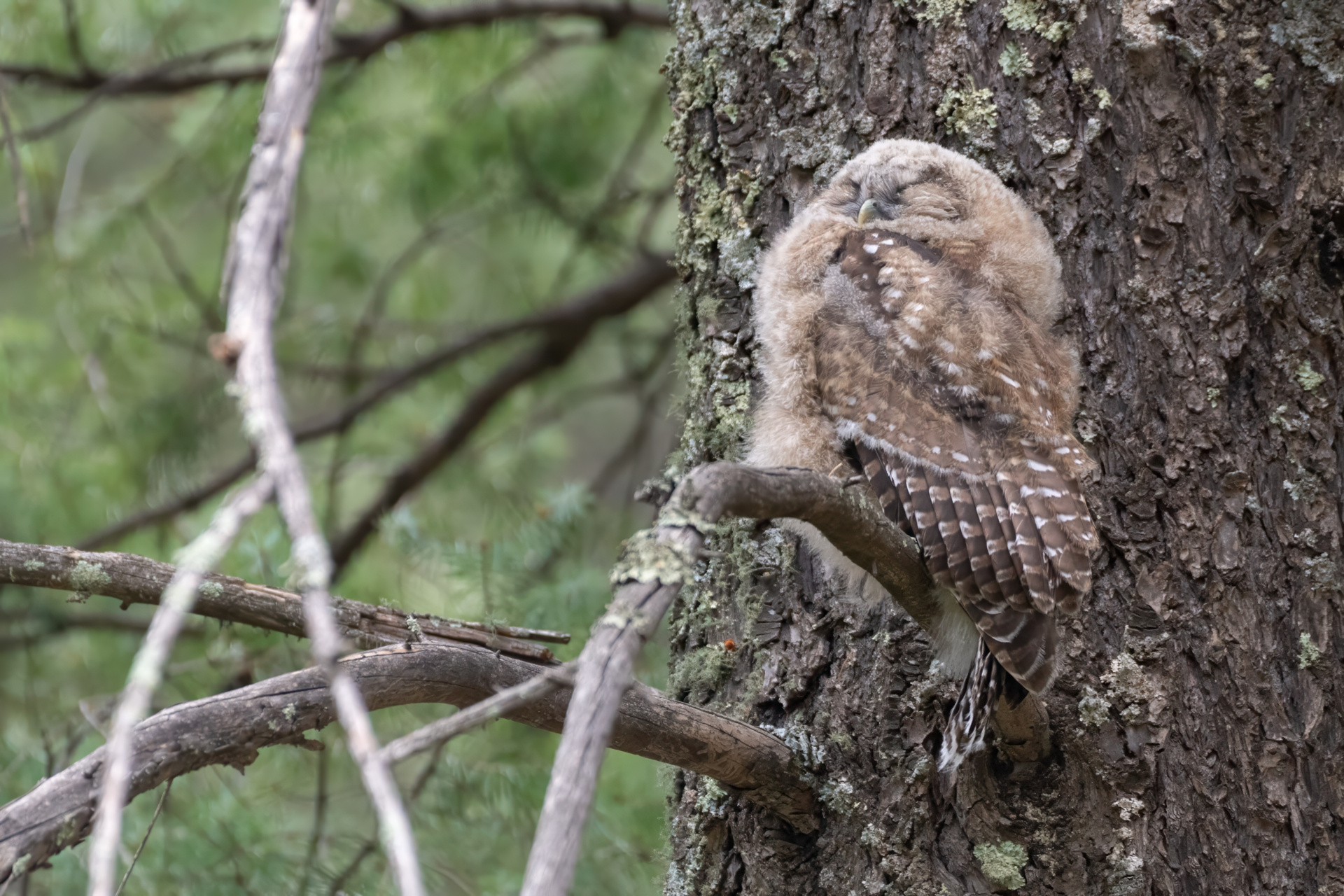
As we make our way farther up the canyon, we’ll begin to climb in elevation and enter into the spruce-fir forests that are home to high-elevation species, including Olive Warbler (not actually a warbler!), Pygmy Nuthatch, and Yellow-eyed Junco. The main target here will be Mexican Chickadee, which is only found here in the United States. Secluded campgrounds may hold roosting Spotted Owls of the “Mexican” subspecies, while migrant flocks of warblers silently move through the canopy.
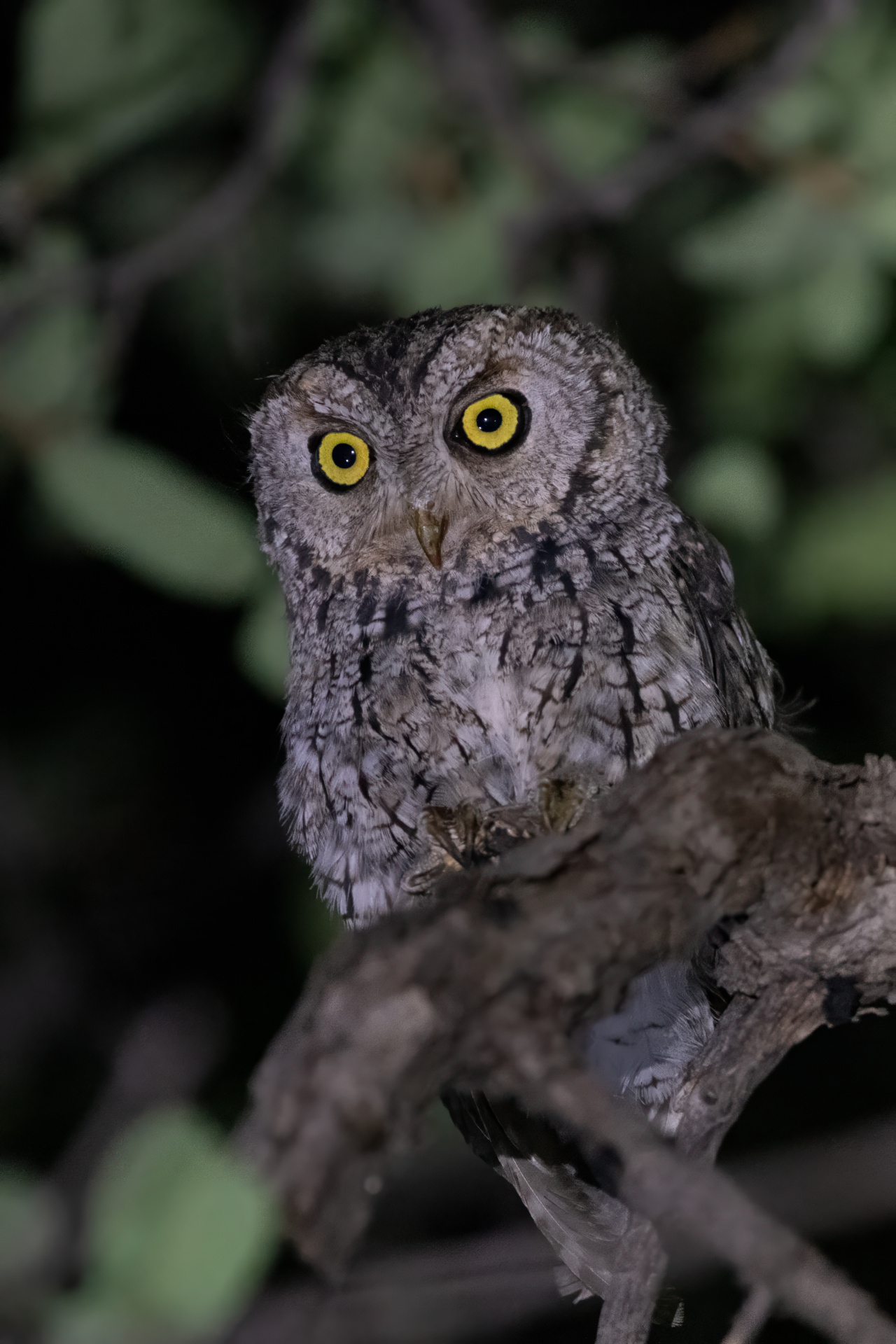
An early evening back at our hotel will allow for optional post-dinner owling, with Whiskered and Western screech-owls, and Elf Owls, being possible. Common Poorwills and Mexican Whip-poor-wills may also be heard calling from the canyon walls.
Night: Portal
Meals: B
Day 4
We’ll spend the morning targeting any remaining species around Portal before heading west through the mountains to Sierra Vista. Along the way, we’ll stop at Whitewater Draw Wildlife Area to stretch our legs. With luck, some early migrant shorebirds and ducks might be around.
We’ll continue towards Sierra Vista, stopping at the Ash Canyon Bird Sanctuary feeders along the way. This is the most reliable spot to find Lucifer Hummingbirds, fighting for a spot on one of the dozens of feeders scattered around the property. Depending on the time, we may visit Beatty’s Guest Ranch to see if there are any Flame-colored Tanagersaround, as this is the most reliable spot for them. If we missed any owls the previous night, we may go out again tonight to check some of the new canyons.
Night: Sierra Vista
Meals: B
Day 5
We’ll begin the morning bright and early, heading up the rough road to the top of Carr Canyon. This is the most reliable spot in the state for Buff-breasted Flycatcher, along with additional chances for Red-faced Warbler and Olive Warbler. On the drive up, we may encounter Rock and Canyon wrens calling from the sheer cliff face. Greater Peweeis also possible at this elevation, if we missed it previously.
In the heat of the afternoon, after lunch, we’ll take a guided tour of Kartchner Caverns State Park. Discovered in 1974 by amateur cavers, the caverns were kept secret until 1988, when the state agreed to open them up as a state park. The caverns remain nearly pristine and represent a stunning look into the geology and unique habitat of underground environments.
Night: Sierra Vista
Meals: B
Day 6
An early start will ensure that we get a head start on the heat, as we once again head east towards another sky island. Our first stop of the day will be at Las Cienegas National Conservation Area, an extensive grassland that’s home to Chihuahuan Meadowlark, Botteri’s, Cassin’s, and Grasshopper sparrows, and more. The grasslands are also an important reintroduction site for black-tailed prairie-dogs, which were extirpated in the 1960s, with reintroduction only beginning in 2008.
Once we’re done scouring the fields, we’ll head towards the small town of Patagonia. In the cottonwoods of the surrounding roads, Rose-throated Becards have historically nested. We’ll also visit the Paton Center for Hummingbirds, a former residence that was donated to Tucson Bird Alliance and remains an important birding destination. Here we’ll have a chance at finding Violet-crowned Hummingbird, along with many others. If time allows, we may check the lake and see if there’s any waterfowl we haven’t seen yet!
Night: Green Valley
Meals: B
Day 7
We’ll start the day checking out Santa Gertrudis Lane to see if we can find any of the resident Green Kingfishers or any other birds that are coming into the seasonal river for water in the morning. After, we’ll head towards the Santa Rita mountains, another sky island, and home to the famous Madera Canyon. At the lower elevations, we’ll search for Varied Bunting, while the feeders at Santa Rita lodge are regularly visited by “Gould’s” Wild Turkey, the largest subspecies. We may also hike some of the trails at the end of the road, giving us additional chances at high-elevation species, in case we’ve missed them previously.
Night: Green Valley
Meals: B
Day 8
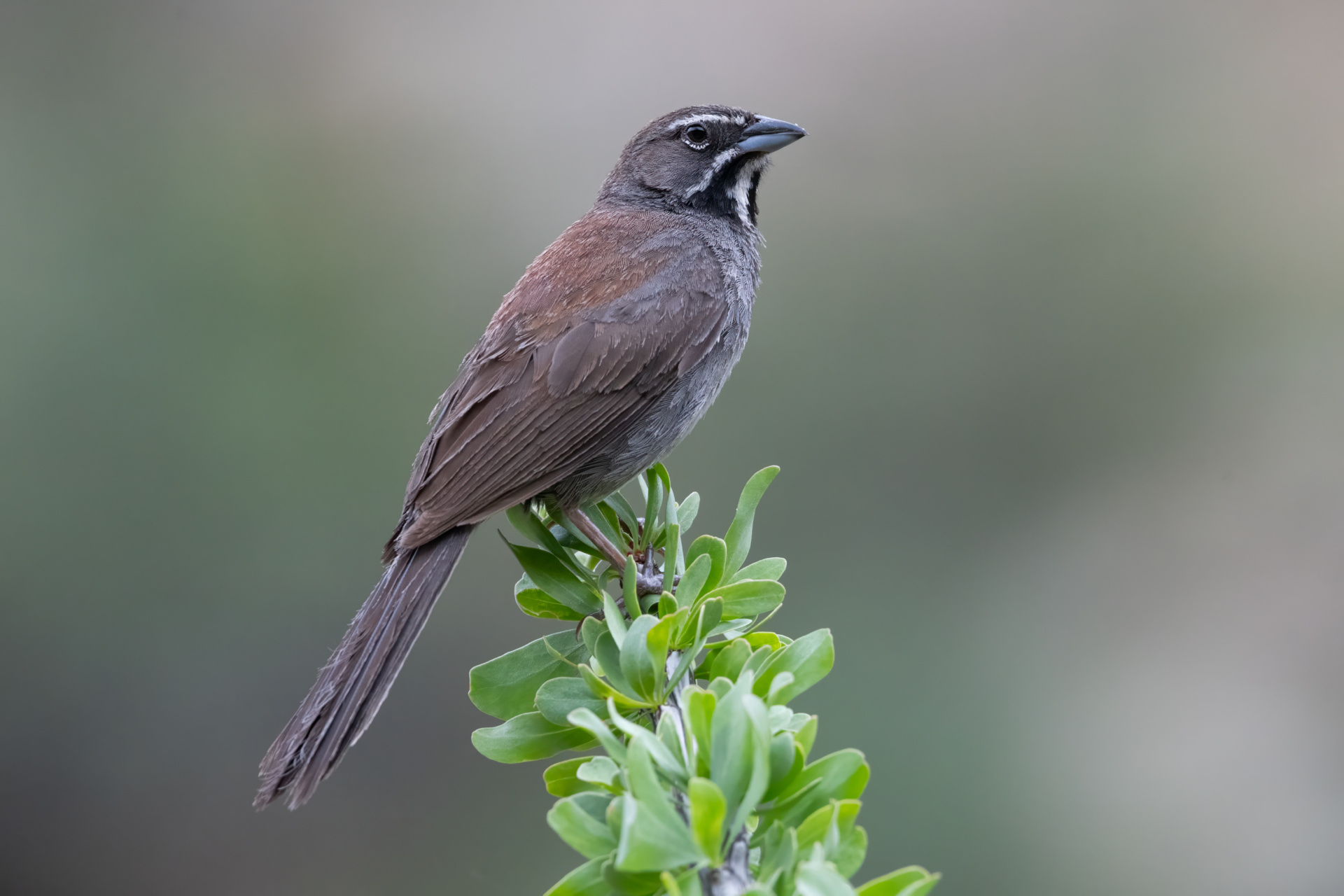
In the morning, we’ll leave bright and early and head to Box Canyon, which in recent years has been home to a pair of Five-striped Sparrows, a Mexican species that has slowly increased in range in the United States.
Later, we’ll journey towards Mount Lemmon on the northern edge of Tucson. This, our final sky island, is a popular location for locals to escape the summer heat. It’s also home to a wide population of birds, including Mountain Chickadee, Red-breasted Nuthatch, Greater Pewee, and Olive Warbler, although the latter two have been more difficult in recent years.
Night: Tucson area
Meals: BD
Day 9
We’ll start today looking for any species we may have missed, either at elevation or in the desert. In the mid-morning, we’ll head to the airport for afternoon flights home, full of memories!
Meals: B

Tour Leaders

Matt Bell
EcoTravel Frequently Asked Questions
Why travel with EcoTravel?
We’re proud to offer small group travel in support of conservation, both locally and across the globe! By traveling with EcoTravel, you’re supporting environmental education and habitat management everywhere we go. When traveling internationally, we strive to use local companies who know the best places to visit, providing an intimate experience with the culture and wildlife.
What's included in the cost of the trip?
Most everything. Most every travel expense is included in one up-front price – airport transfers as specified in the itinerary, all hotel accommodations, birding/sightseeing with experienced guides, meals as specified in the itinerary, airport transfers, services of local guides, and more.
Most meals are included on EcoTravel journeys. All breakfasts are included, and some dinners. Occasional lunches in special locations may also be included. Although some dinners may not be included, suggestions for dining options will be offered by your tour leader. Many EcoTravel guests choose to dine together to share in new friendships and discoveries, but the choice is yours. Dining is a delightful and integral part of the EcoTravel experience – and that is why we select restaurants that offer a true taste of each region you visit. Most included meals offer limited choice menus, and some may be from a set menu or buffet. All appropriate gratuities for included meals are included.
For exact information of what’s included on a specific trip, please check the trip page.
What's not included in the cost of the trip?
Alcoholic beverages are not included, nor are meal gratuities for not-included meals, local guides, luggage handling, bellmen, doormen, and dining room servers. EcoTravel guides and driver gratuities are not included and should be offered individually, not as a group. Transfer driver gratuities are included.
Luggage service on EcoTravel tours is not included.
For exact information of what’s not included on a specific trip, please check the trip page.
What's your cancellation policy?
All trips are non-refundable.
Day Trips run as scheduled, and all participants are expected to be there. In the event weather postpones the trip and you can’t make the new date, or we don’t receive enough signups to run the trip, you’ll receive a non-expiring credit for the full value paid.
Overnight Trips can be partially refunded outside of 120 days before departure. Payment is due in full 120 days before departure, and no refunds are given. Exact details for each trip can be found in the terms and conditions on the Printable Itinerary.
What's the average group size?
Almost all of our trips are kept to single digits! We believe that small groups give a better experience to everyone. Day Trips and certain overnights may include up to 14 participants, with two guides.
Many of our trips run with just 4-6 participants!
What level of birder do I need to be?
All levels are welcome! While some trips are more intense than others, our guides are skilled at helping everyone see as many birds as possible while having a great time.
Do you sell travel insurance?
EcoTravel is an authorized agent of Travelex travel insurance. Please call the office for more information.
What happens if the tour doesn't fill?
Day Trips: Cancellation results in a credit for the full value that can be used for future trips.
Overnight Trips: Travelers are given the chance to rebook the same trip for a future year, or to move their money at full value to another trip.
What's the activity level of the tours?
It varies! Some tours have lots of walking, while others are more sedentary. For exact information on the activity level of a specific trip, please call the office.
How far in advance can I / should I book?
We encourage you to make your reservation just as early as possible – especially if you are limited to the time period in which you can travel. EcoTravel journeys are popular and tend to fill quickly.
Can EcoTravel help make arrangements for pre-tour and post-tour hotel nights?
Absolutely! Many guests choose to extend their stay and we’re happy to help. As a service, EcoTravel will make hotel reservations before and/or after your journey at select pre-/post-stay hotels offered for that tour. Rooms are reserved at the first or last night’s hotel property of any EcoTravel journey, so there’s no worry of having to change hotels or rooms at the start or end of your trip. Rooms are reserved on a space-available basis, and the cost will be added to your tour cost.
Arranging hotel accommodations in the city where your journey begins for the night preceding your EcoTravel itinerary not only gives you more time to explore on your own, allows your group to become better acclimated to time changes before your journey begins and helps to relieve stress from potential travel delays – important factors to consider! Guests wishing to spend more time in cities where our journeys end can extend their stay – a great way to make your vacation last a little longer.
Are transfers included to and from my pre-tour and post-tour hotels?
Complimentary transfers are included from the airport to your pre-stay hotel for the start of your journey and from your post-stay hotel to your departure airport.
Please Note:Transfers are included for EcoTravel-approved pre- and post-stay hotels. Non-EcoTravel hotel transfers must be approved prior to leaving on your tour.
More Trips