Neonics
A commonly used class of pesticides known as neonicotinoids—or neonics—has been quietly devastating the environment.
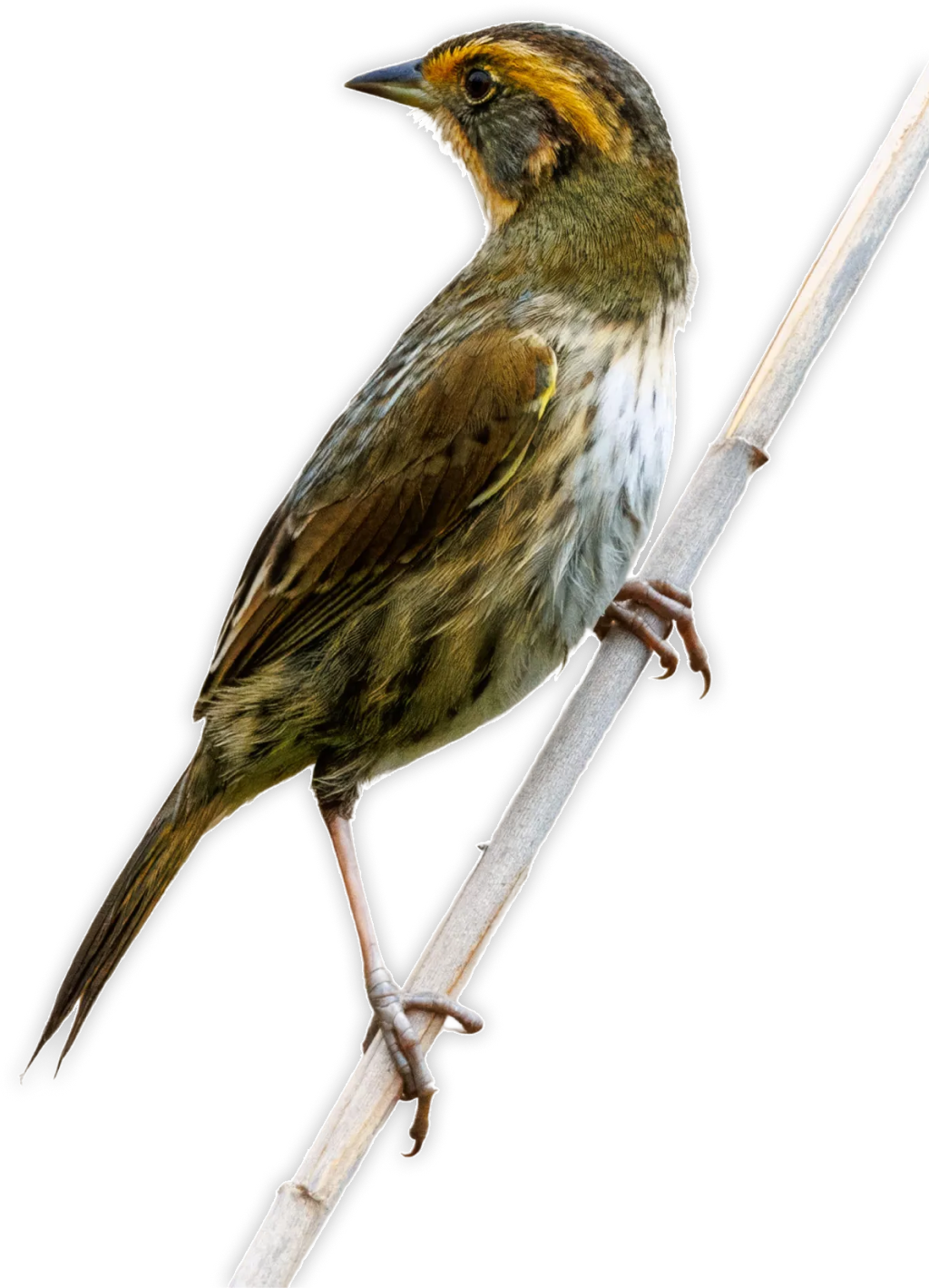
These chemicals have been killing bees and butterflies, seeping into streams and ponds, and generally causing steep declines in the insects that birds depend on for food. Their widespread use has contributed to the shrinking populations of once-familiar birds such as Eastern Towhees, Indigo Buntings, Blue-winged Warblers, Prairie Warblers, and Field Sparrows.
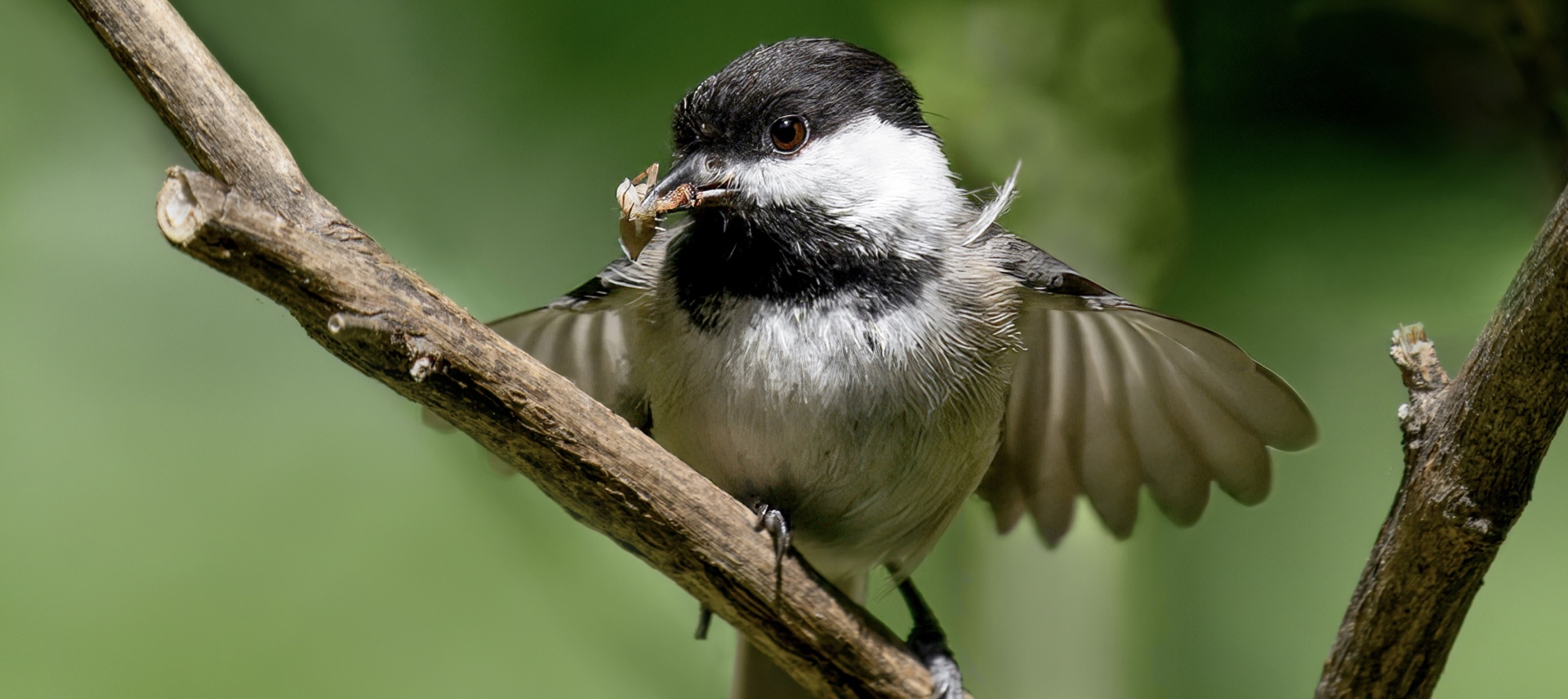
When they kill insects, they're are killing the food supply of common birds like chickadees, which need 6,000 to 9,000 tiny caterpillars per nest to raise their young.
But as with neighboring states like New York and Vermont that have aggressively limited neonics, big reductions are in store for Connecticut too.
Connecticut Pesticide Reform, a coalition of organizations and concerned citizens, successfully pushed for legislation in 2025 that will ban the use of neonics on turf grass—covering roughly 300,000 acres of lawns and golf courses, or about 10 percent of the entire state.
The Connecticut Audubon Society is a key member of the coalition’s leadership. Your advocacy helped move the state toward this ban — one of the most important environmental victories in years.
As a result, a major source of toxic pesticides will be eliminated in 2027.