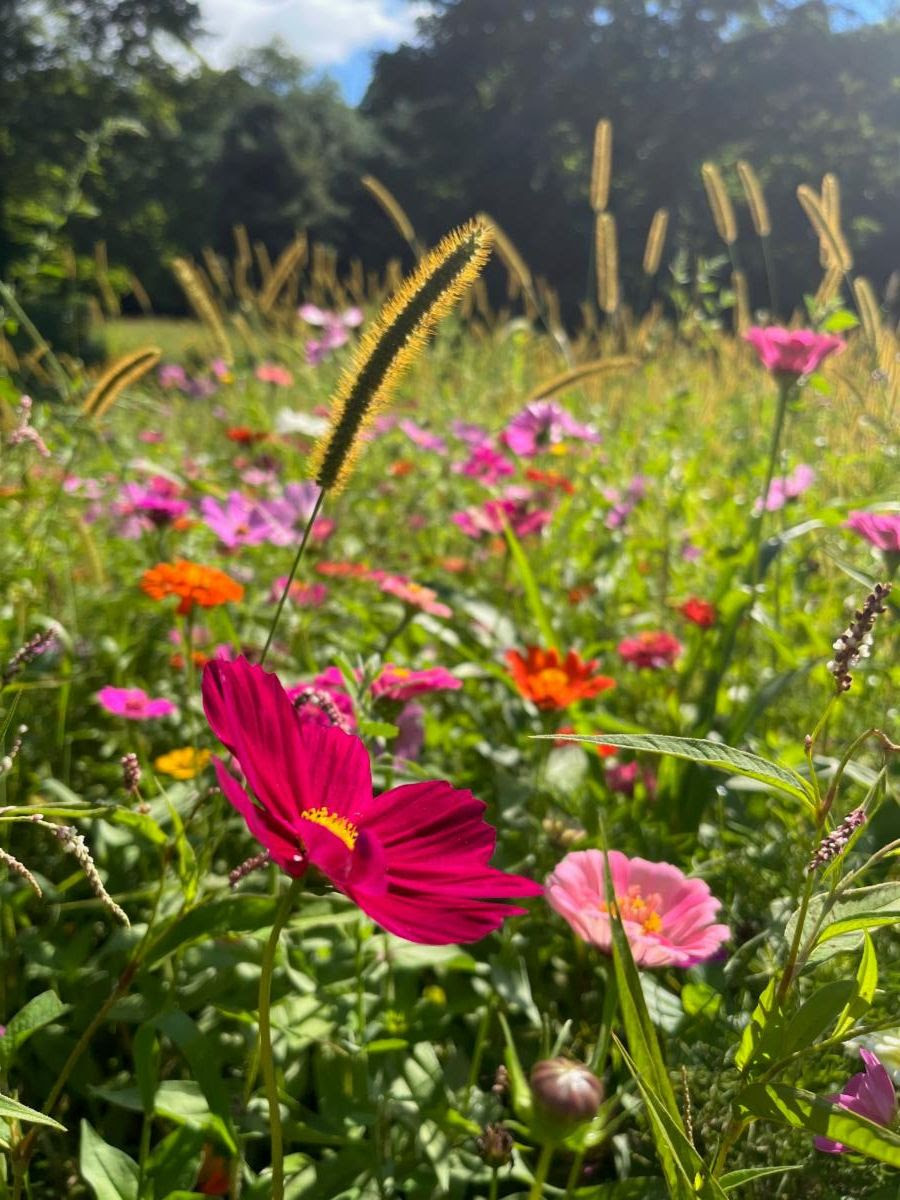
Meadows are ephemeral habitat, meaning they are temporary. Herbaceous plants that provide important food and shelter for butterflies, bees, and other pollinators require certain conditions to thrive. These plants need full sunlight, without the presence of many trees, which create shade, the perfect growing conditions for young trees. Without proper maintenance, meadows will continue to turn into forests, as pioneer sapling trees will take advantage of the abundant sunlight.
A diverse suite of habitats gives rise to a diverse collection of organisms. Maintaining these habitats helps support the populations of our smallest and most important organisms: butterflies, moths, bees, and insects.
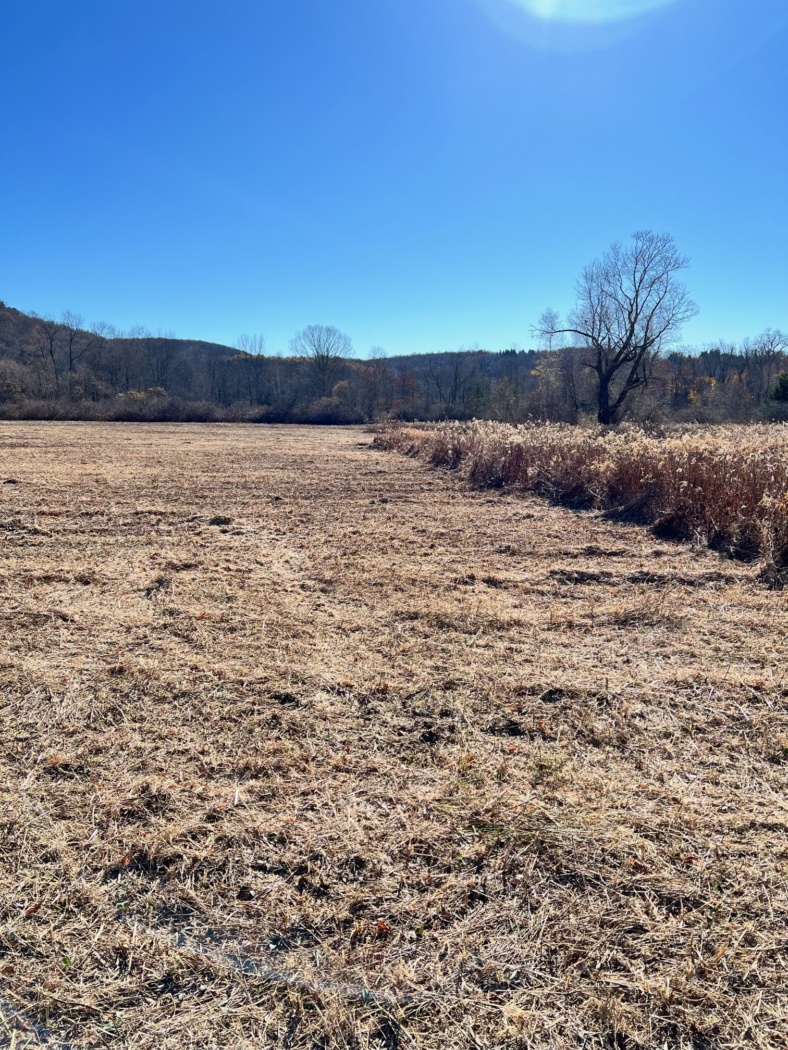
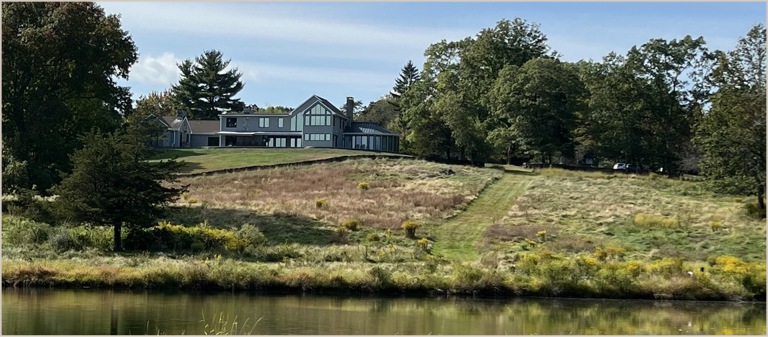
Meadows require management to remain as meadows. Practices such as mowing, tilling, removing of invasive plants, volunteer-led plant surveys, and native plantings help keep meadows diverse and productive for years to come.
Deer Pond Farm manages our meadows in rotations, called alternate meadow management. This allows us to mow and sow seeds in sections of meadows in increments, so overwintering bees and bugs have shelter in un-mowed areas, while maintaining the herbaceous cover and preventing woody stemmed plants from invading in other meadow habitat.
Healthy habitat requires care, attention, and maintenance, the cornerstones of land stewardship.