Welcome to our new website!

Purple Martin

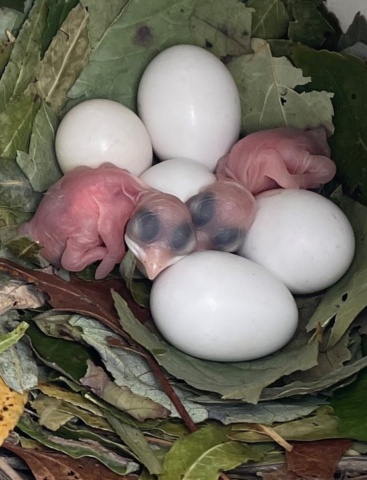
In recent years at Deer Pond Farm, Purple Martins have raised over 90 chicks in our special nesting gourds.

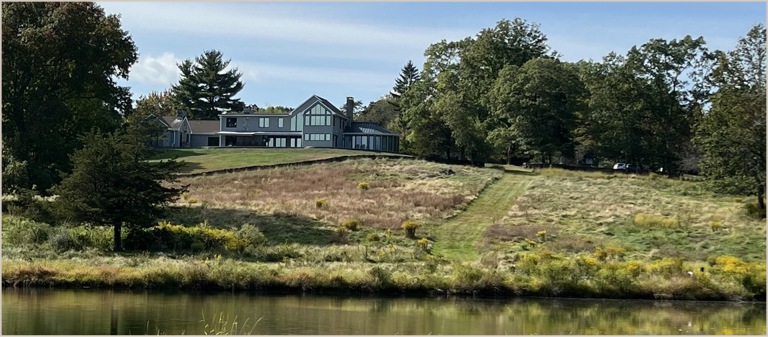
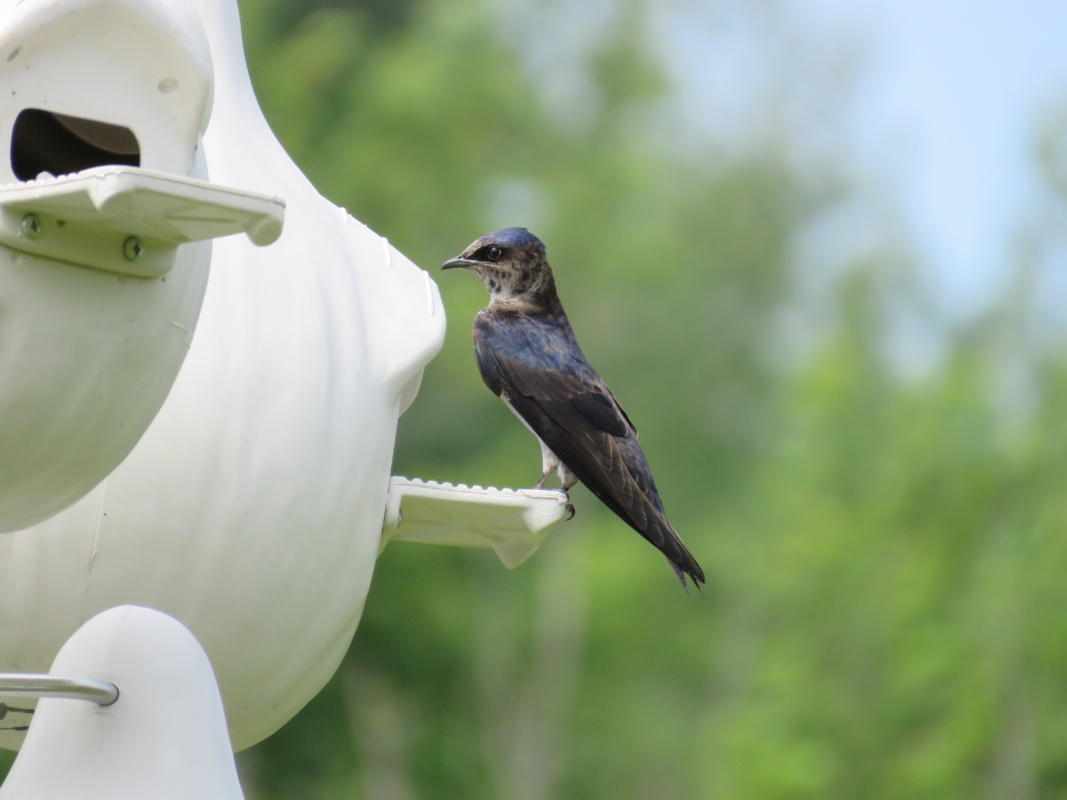
Purple Martins nest at the pond behind the office each spring and summer. They raise their young in hanging gourds designed with small openings to keep unwanted visitors out.

Every U.S. bird has a four-letter code from the United States Geological Survey (USGS). These codes are usually the first two letters of the bird—for the Purple Martin, it’s PUMA.


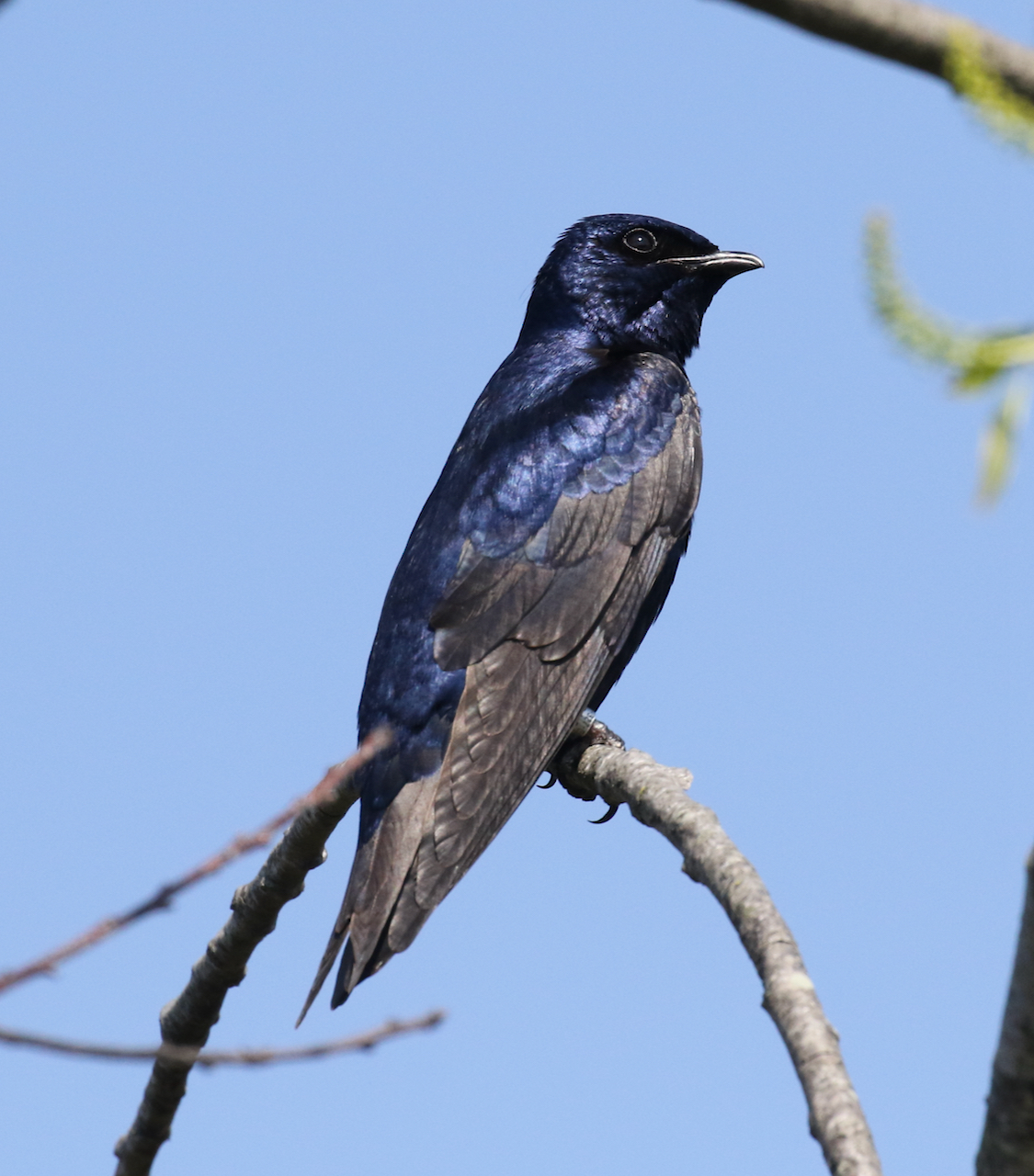
In the eastern U.S., these big, glossy swallows rely entirely on man-made homes like gourds. Young martins don’t return to their birth nest—they must find a new spot to start the next generation. Each year, they migrate up to 5,000 miles to spend winter in South America!


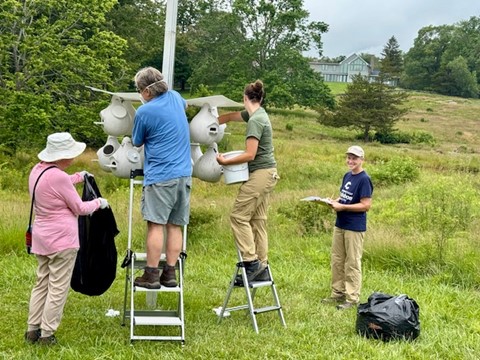
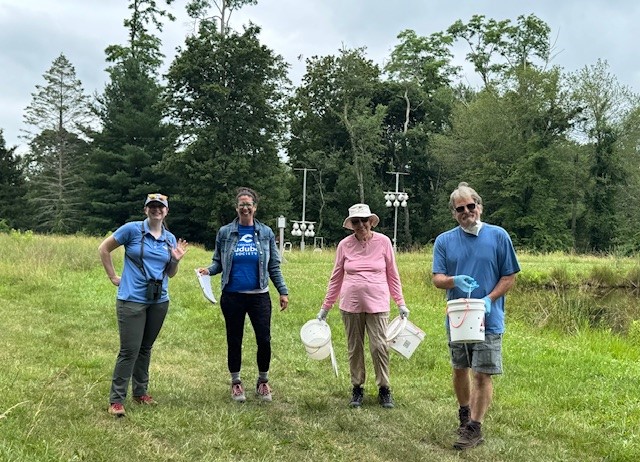
At Deer Pond Farm, volunteers remove and clean our poles and gourds each winter, then set them up again in mid-March for the returning martins. They track the birds carefully and contribute data to MartinWatch.


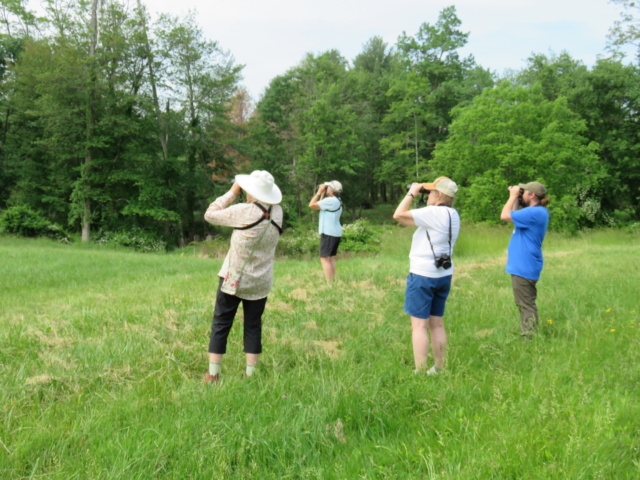
See Purple Martins in action? Share your sightings on iNaturalist.org and eBird.org—every observation helps!

About our Purple Martin Gourds

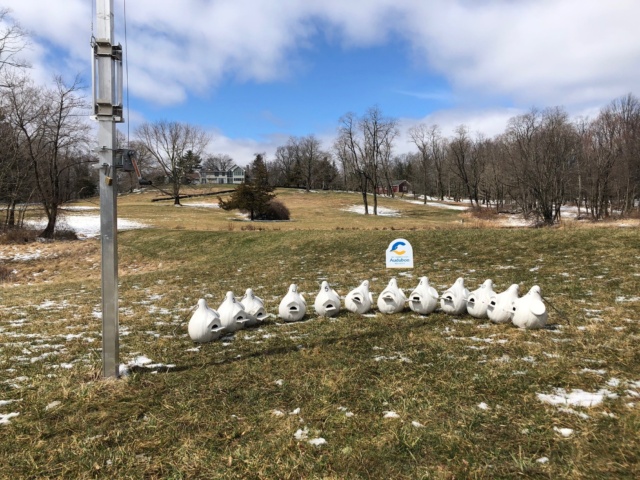
At Deer Pond Farm, two poles hold 12 Purple Martin gourds each, plus a solitary decoy gourd for Tree Swallows. Decoy birds on top and a “dawn caller” that plays martin calls each morning from April through late summer help attract new birds.


Purple Martins are social aerial insect-eaters. They swoop over the pond and nearby fields, catching flying insects—especially dragonflies. Our gourds, modeled on traditional vegetable gourds, keep birds healthy, protect nestlings from predators and heat, and reduce disease spread. Baffles on the poles deter snakes, raccoons, and other climbing predators.


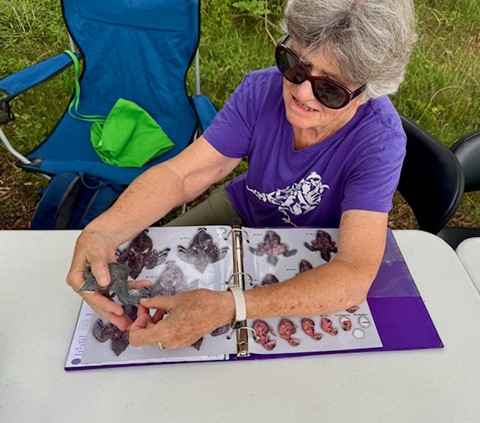
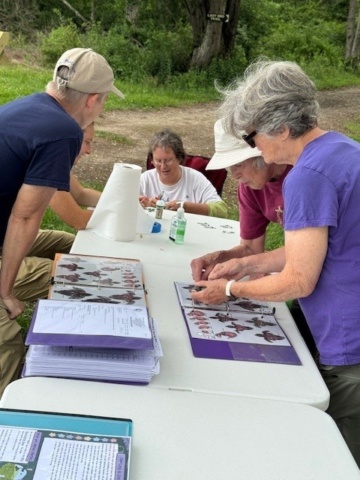
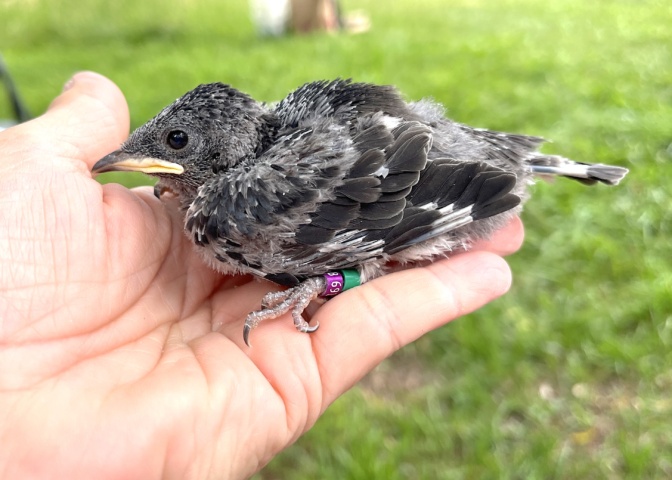
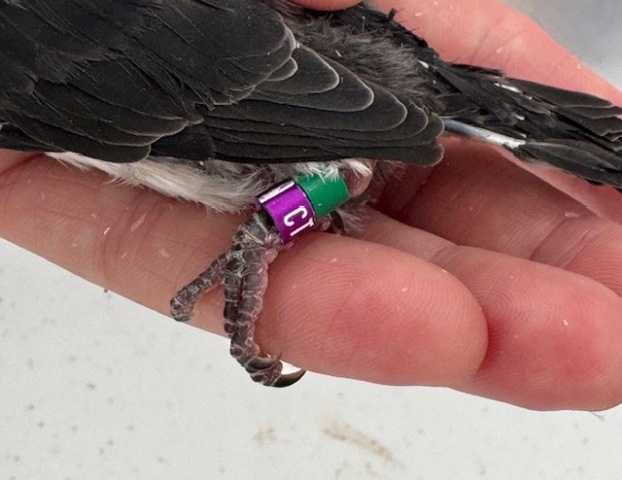
We consulted with Laurie Doss, Purple Martin Conservation Association board member, Marvelwood School Science Department chair, and licensed bander under the CT DEEP Wildlife Division, for the placement and operation of our gourds. Laurie is leading an ongoing study on Purple Martins, tracking their choice of breeding grounds after hatching. Each banded bird has a unique color combination showing where it was hatched, allowing researchers to follow their movements. Some of Deer Pond Farm’s birds have been recorded at White Memorial Conservation Area.


We track nesting success and submit data to MartinWatch and NestWatch. Please enjoy watching the martins’ acrobatic flights and listening to their chattering, clicking calls—but give busy parents space near the nests.
Timeline of Purple Martins at Deer Pond Farm

2025

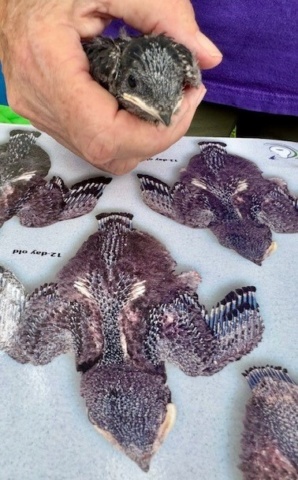
18 active nests, 60 chicks hatched and 55 banded.

2024

Six active nests, 17 chicks hatched and 13 banded.

2023

No nesting. Scouts were observed. One of our previously banded chicks was also seen.

2022

Second breeding season with 14 chicks hatched and 10 banded.

2021

First breeding season with nine chicks hatched and banded.

2018-2020

Male and female PUMA observed. No nesting.

2018

Installed 24 nest gourds on two poles.

Saltmarsh Sparrow