Patagonia: Birds and Mammals
At the southern tip of South America, Patagonia is a vast region of wild, untamed landscapes. From the dramatic fjords and glaciers to the towering peaks of Torres del Paine National Park, this remote area is known for its windswept plains, rugged mountains, and cold, clear rivers. The varied landscapes host a rich array of wildlife found nowhere else in the world. In the southern forests and wetlands rare creatures like pudú, the world’s smallest deer, can be found. Meanwhile, the rugged expanses of Patagonia are home to a large population of puma. Marine life also thrives along Chile’s extensive coastline, including whales, sea lions, and penguins. Join us as we search for the wide variety of fauna, from King Penguin to Chilean Flamingo to Puma.
Itinerary
Day 1
Departure from home airports to Santiago, Chile, where we’ll have time to relax before embarking on our journey in search of the wide variety of mammals and birds of South America.
Night: Santiago
Day 2
After a good night’s sleep, we’ll take a short flight to Chiloé Island before a three-hour drive towards Tepuhueico Park.
Chiloé Island, located off the coast of southern Chile, is the largest island in the Chiloé Archipelago and is known for its rich cultural heritage, unique folklore, and stunning natural landscapes. The island’s history is deeply intertwined with both indigenous Chono and Huilliche peoples, as well as Spanish colonization, which has shaped its distinctive identity.
Night: Tepuhueico Lodge, Chiloé Island
Meals: BLD
Day 3
Today will be spent exploring Tepuhueico Park. A private nature reserve known for its pristine landscapes and rich biodiversity, it spans over 20,000 hectares and features a mix of ancient temperate rainforests, crystal-clear lakes, and wetlands. The park is home to several native species, including the elusive, endangered Darwin’s Fox, the Pudú (the world’s second smallest deer), and the Kodkod or Guigna (a very rare woodland cat). While searching for this array of enigmatic and poorly known mammals, we’ll find several endemic birds of the Patagonian woodlands such as Black-throated Huet-huet, Chucao, Ochre-flanked and Magellanic tapaculos, Patagonian Tyrant, Des Murs’s Wiretail, Chilean Pigeon, Magellanic Woodpecker, Chilean Hawk, and Green-backed Firecrown.
Night: Tepuhueico Lodge, Chiloé Island
Meals: BLD
Day 4
The morning will be spent exploring the Chepu River. This meandering and pristine river is bordered by lush, dense rainforests, and its clear waters are home to the endangered Southern River Otter. We’ll also have chances to find the rare Rufous-tailed Hawk (the counterpart to our Red-tailed Hawk) and the endemic Slender-billed Parakeet. On the way back to Puerto Montt we’ll stop at the mudflats of Caulin Bay. The bay holds an important part of the world population of Hudsonian Godwit, which winters here and in other extensive bays of Patagonia along with Red Knot and a variety of other shorebirds.
In the afternoon we’ll take a boat to explore two groups of islets that are home to a surprisingly diverse ensemble of seabirds and marine mammals. We’ll start with the closest to shore, Puñihuil Islets, where we’ll find Magellanic and Humboldt penguins, Flightless Steamer-Duck, Kelp Goose, and Red-legged Cormorant, among other seabird species, and Southern Marine Otter. We’ll then head south to Metalqui Islets, where we’ll watch a South American Sea Lioncolony and small groups of South American Fur Seal. A careful inspection of the beaches might produce sightings of Southern Elephant Seal.
On our way back we’ll first sail into offshore waters to look for the largest animal that has ever lived on our planet: the magnificent Blue Whale. We’ll also have great chances of seeing pelagic seabirds such as Black-browed Albatross, Southern Giant Petrel, and Pink-footed, Sooty, and Little shearwaters. From here we’ll board the ferry back to Puerto Montt and drive to the beautiful town of Puerto Varas by Lake Llanquihue, where we’ll spend the night.
Night: Hotel Panamericana Ancud or similar, Chiloé Island
Meals: BLD
Day 5
Primarily a travel day, we’ll take a ferry crossing across Caulin Bay, returning to the mainland. We’ll then drive to the airport to take a two-hour flight down to Punta Arenas, Chile’s southernmost city, located at the very tip of the South American Continent in the Northern shore of the Straits of Magellan.
Night: Hotel Cabo de Hornos, Punta Arenas
Meals: BLD
Day 6
This morning, we’ll take a two-hour ferry ride across the Straits of Magellan. We’ll be entertained by an interesting array of tubenoses such as Southern Fulmar, the delightful Cape and White-chinned petrels, Wilson’s Storm-Petrel, and Magellanic Diving-Petrel. We’ll see other seabirds, including Chilean Skua, Kelp and Dolphin gulls, and SouthAmerican Tern. Possible marine mammals will include playful pods of Peale’s Dolphin. Once we land in Tierra del Fuego, we’ll check the coast, where we’ll hope to see Crested Duck, Chiloé Wigeon, Baird’s and White-rumped sandpipers, Magellanic Oystercatcher, and Dark-bellied Cinclodes, among several other goodies.
During the afternoon we’ll visit some alkaline lagoons east of the village. Our target here will be the local and odd-looking Magellanic Plover. This enigmatic wader looks more similar to a little dove rather than to any shorebird, and is often seen “scratching” the mud with its bright pink legs! Other birds of the area will include Two-banded Plover, Wilson’s Phalarope, Short-billed Miner, and Austral Negrito.
Night: Yendegaia House, Tierra del Fuego Island
Meals: BLD
Day 7
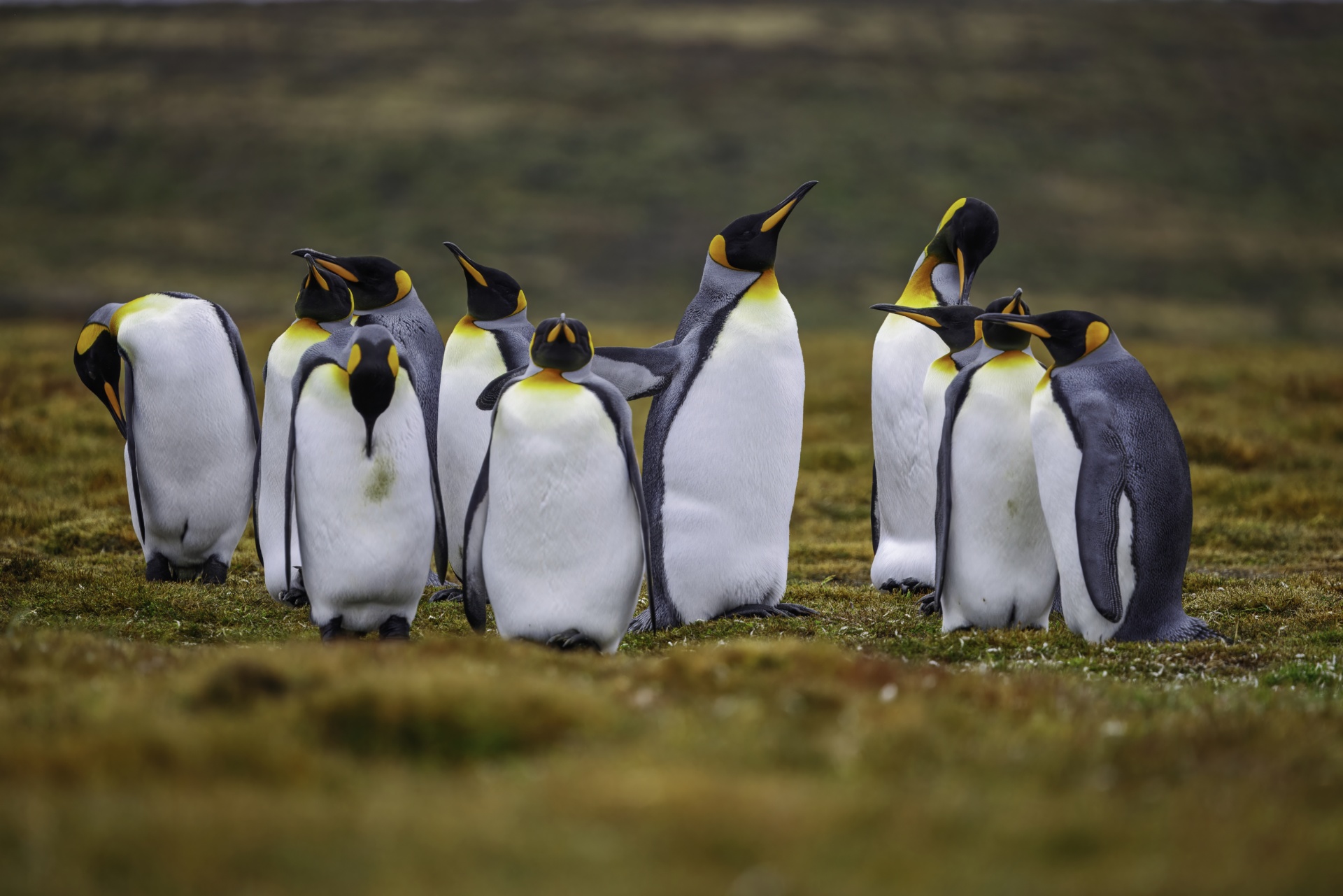
We’ll continue east to explore the large embayment of Useless Bay (Bahía Inútil), where it’s likely we’ll find a wealth of seabirds and other aquatic birds. On route we’ll be checking for potential raptors including Variable Hawk, Aplomadoand Peregrine falcons. Lesser (Magellanic) Horned Owl nests in some of the nearby ravines. The main target of our visit is the newly established King Penguin breeding colony. The species congregates year-round on this site and has successfully started to breed. A short ferry ride will take us back to the mainland and, if we’re lucky, we’ll have the striking Commerson’s Dolphin following the wake. Chilean Flamingo, Upland Goose, Coscoroba Swan, Silver Teal, Black-headed Duck, and Rosy-billed Pochard are all found here. Wading birds will be common at the roadside ponds while we explore and enjoy the beauty of the open country.
Night: Hotel Costaustralis or similar, Puerto Natales
Meals: BLD
Day 8
Today we’ll embark across windswept Patagonia in search of steppe specialties, including Ruddy-headed Goose, Least Seedsnipe, Tawny-throated Dotterel, Short-billed Miner, Band-tailed Earthcreeper, and Chocolate-vented Tyrant. We’ll make our way towards Torres del Paine National Park, where we’ll end our trip exploring this legendary destination.
Night: Hotel Pehoé or similar, Torres del Paine National Park
Meals: BLD
Days 9 - 10
The next couple of days will be focused on searching for pumas in the area. We’ll inspect the hunting grounds located in the eastern flank of the park and throughout a private ranch where we have special access. The area is well known for holding one of the largest concentrations of pumas in the wild. We’ll have the support of a 4×4 vehicle to move inside the ranch, but there is also the possibility of some easy to moderate walks. Topography is usually not too demanding, but there might be differences in altitude of around 160-1,000 feet, although the group will walk at a slow and gentle pace. The maximum elevation during this trip will be 1,000 feet above sea level. Pumas are normally quite active at night, early in the mornings, and late in the evenings. We’ll focus on searching around these times, when they are usually patrolling their territory, hunting guanacos and other prey, interacting with their young, or commuting from their hunting grounds to their dens. We’ll have two sessions each day, a morning session and an evening session, each approximately four hours.
We’ll also explore the ponds on the eastern side of the park in search of more waterfowl, including Spectacled Duck, Speckled Teal, and Yellow-billed Pintail, among others. Black-necked Swan and Great Grebe are also found here. Cinereous Harrier and Black-chested Buzzard-Eagle are often seen hovering in search of prey. Chilean Flicker, Striped Woodpecker, and Austral Pygmy-Owl will be our targets around a patch of secondary woodland. We’ll scan the white-water rivers for the remarkable Torrent Duck. The reed-fringed lagoons can be very interesting: Andean Duck, Silvery and White-tufted grebes, and, with luck, the elusive and recently rediscovered Austral Rail, are all present here.
We’ll visit Lake Grey to enjoy the dramatic sight of its southern shore dominated by stunning blue icebergs, and the surrounding sub-Antarctic forests will provide us with chances to see Thorn-tailed Rayadito, White-throated Treerunner, Austral Parakeet, Austral Blackbird, and the striking Magellanic Woodpecker.
Nights: Hotel Pehoé, Torres del Paine National Park
Meals: BLD
Day 11
Drive to Punta Arenas airport for flights to Santiago and home.
Meals: BL
Tour Leader
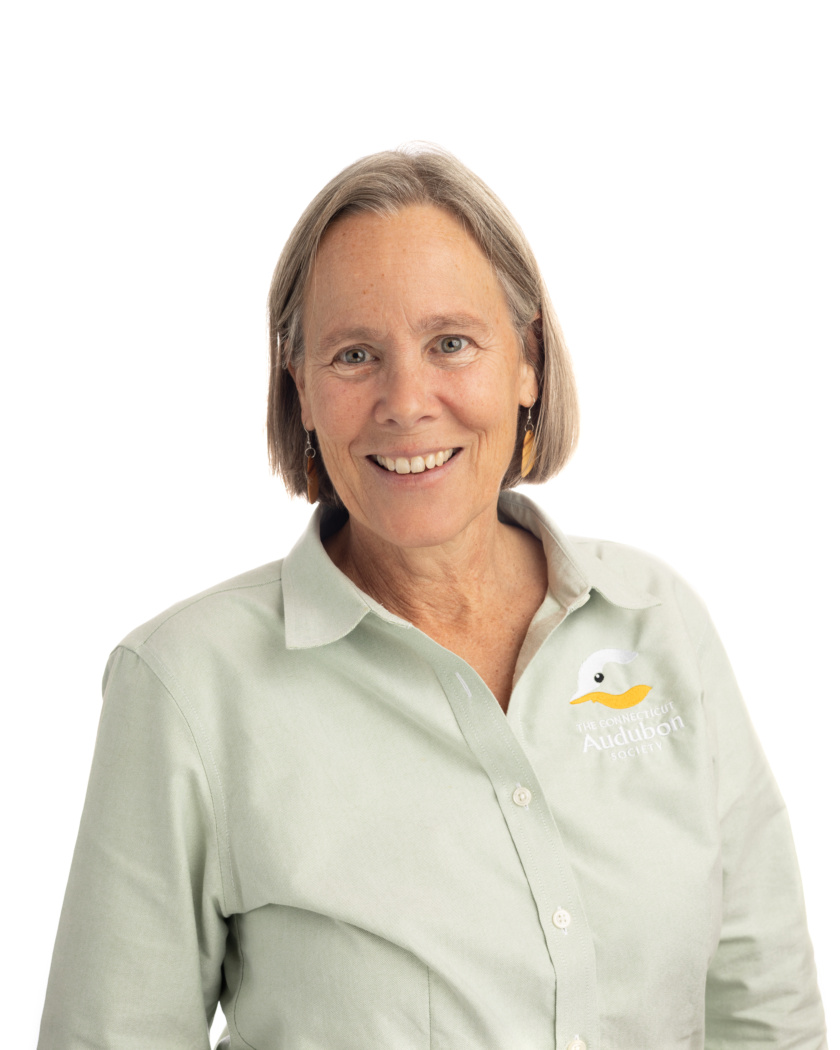
Sarah Heminway
Sarah earned her B.S. in Environmental Studies from Trinity College, spent several years conducting graduate research at the University of Connecticut and was an environmental consultant for 15 years, specializing in soil and water issues. A member of numerous environmental organizations, she currently serves on the board of directors for the Wyndham Land Trust.
EcoTravel Frequently Asked Questions
Why travel with EcoTravel?
We’re proud to offer small group travel in support of conservation, both locally and across the globe! By traveling with EcoTravel, you’re supporting environmental education and habitat management everywhere we go. When traveling internationally, we strive to use local companies who know the best places to visit, providing an intimate experience with the culture and wildlife.
What's included in the cost of the trip?
Most everything. Most every travel expense is included in one up-front price – airport transfers as specified in the itinerary, all hotel accommodations, birding/sightseeing with experienced guides, meals as specified in the itinerary, airport transfers, services of local guides, and more.
Most meals are included on EcoTravel journeys. All breakfasts are included, and some dinners. Occasional lunches in special locations may also be included. Although some dinners may not be included, suggestions for dining options will be offered by your tour leader. Many EcoTravel guests choose to dine together to share in new friendships and discoveries, but the choice is yours. Dining is a delightful and integral part of the EcoTravel experience – and that is why we select restaurants that offer a true taste of each region you visit. Most included meals offer limited choice menus, and some may be from a set menu or buffet. All appropriate gratuities for included meals are included.
For exact information of what’s included on a specific trip, please check the trip page.
What's not included in the cost of the trip?
Alcoholic beverages are not included, nor are meal gratuities for not-included meals, local guides, luggage handling, bellmen, doormen, and dining room servers. EcoTravel guides and driver gratuities are not included and should be offered individually, not as a group. Transfer driver gratuities are included.
Luggage service on EcoTravel tours is not included.
For exact information of what’s not included on a specific trip, please check the trip page.
What's your cancellation policy?
All trips are non-refundable.
Day Trips run as scheduled, and all participants are expected to be there. In the event weather postpones the trip and you can’t make the new date, or we don’t receive enough signups to run the trip, you’ll receive a non-expiring credit for the full value paid.
Overnight Trips can be partially refunded outside of 120 days before departure. Payment is due in full 120 days before departure, and no refunds are given. Exact details for each trip can be found in the terms and conditions on the Printable Itinerary.
What's the average group size?
Almost all of our trips are kept to single digits! We believe that small groups give a better experience to everyone. Day Trips and certain overnights may include up to 14 participants, with two guides.
Many of our trips run with just 4-6 participants!
What level of birder do I need to be?
All levels are welcome! While some trips are more intense than others, our guides are skilled at helping everyone see as many birds as possible while having a great time.
Do you sell travel insurance?
EcoTravel is an authorized agent of Travelex travel insurance. Please call the office for more information.
What happens if the tour doesn't fill?
Day Trips: Cancellation results in a credit for the full value that can be used for future trips.
Overnight Trips: Travelers are given the chance to rebook the same trip for a future year, or to move their money at full value to another trip.
What's the activity level of the tours?
It varies! Some tours have lots of walking, while others are more sedentary. For exact information on the activity level of a specific trip, please call the office.
How far in advance can I / should I book?
We encourage you to make your reservation just as early as possible – especially if you are limited to the time period in which you can travel. EcoTravel journeys are popular and tend to fill quickly.
Can EcoTravel help make arrangements for pre-tour and post-tour hotel nights?
Absolutely! Many guests choose to extend their stay and we’re happy to help. As a service, EcoTravel will make hotel reservations before and/or after your journey at select pre-/post-stay hotels offered for that tour. Rooms are reserved at the first or last night’s hotel property of any EcoTravel journey, so there’s no worry of having to change hotels or rooms at the start or end of your trip. Rooms are reserved on a space-available basis, and the cost will be added to your tour cost.
Arranging hotel accommodations in the city where your journey begins for the night preceding your EcoTravel itinerary not only gives you more time to explore on your own, allows your group to become better acclimated to time changes before your journey begins and helps to relieve stress from potential travel delays – important factors to consider! Guests wishing to spend more time in cities where our journeys end can extend their stay – a great way to make your vacation last a little longer.
Are transfers included to and from my pre-tour and post-tour hotels?
Complimentary transfers are included from the airport to your pre-stay hotel for the start of your journey and from your post-stay hotel to your departure airport.
Please Note:Transfers are included for EcoTravel-approved pre- and post-stay hotels. Non-EcoTravel hotel transfers must be approved prior to leaving on your tour.