Tanzania Safari
This is Africa as you’ve always imagined it: the magic of a Serengeti sunset, the teeming wildlife of Ngorongoro Crater, and some of the most wonderful birdlife you’ll ever see. A safari to Tanzania is a special adventure into the premier wildlife–viewing country of Africa, with national parks and reserves unsurpassed anywhere in the world. We’ll see all of the major plains animals: lions, hippos, zebras, giraffes, impalas, gazelles, and other herbivores, baboons and monkeys, and herds of elephant and buffalo. You’ll stay in outstanding lodges, and a side trip to Oldupai Gorge will take you to the cradle of mankind.
Registration Forms & Deposit
A $2,500 deposit, per person, applicable to final payment, is required to reserve space on this trip. Complete and return the registration forms with your deposit payment to begin your next adventure today! Early reservations with deposit are essential to guarantee your booking
Itinerary
Day 1
We’ll board an overnight flight to Amsterdam, arriving in the morning for a short layover before connecting with our flight to Tanzania’s Kilimanjaro Airport.
Night: In the air
Day 2
We’ll board our flight in Amsterdam and head south Towards Tanzania, where we’ll be bet at the airport and transferred to our hotel for some well-deserved rest.
Night: Rivertrees Country Inn
Day 3
The full day will be at our leisure, allowing us to relax and spend time adjusting to the time change before embarking on our exciting adventure tomorrow.
Nights: Rivertrees Country Inn
Meals: BLD
Day 4
After breakfast, we’ll head to Tarangire National Park, the quintessence of Old Africa, where the atmosphere seems prehistoric. With more than 1,000 square miles, this is the third-largest park in Tanzania. The Great Rift Valley is known for the herds of animals that migrate toward the Tarangire River. The landscape is interspersed with ancient baobab trees, which provide homes for birds, monkeys, baboons, and other wildlife. There are over 350 species of birds, and we’ll have excellent viewing here for elephants, lions, giraffes, zebras, and strangely horned antelopes.
Night: Tarangire Safari Lodge
Meals: BLD
Day 5
Today we’ll have a full day to explore Tarangire. Herds of up to 300 elephants scratch the dry riverbed for underground streams, while migratory wildebeest, zebra, buffalo, impala, gazelle, hartebeest, and eland crowd the shrinking lagoons. The swamps, tinged green year-round, are the focus for 550 bird varieties, the most breeding species in one habitat anywhere in the world. On drier ground, you find the Kori Bustard, the heaviest flying bird; the stocking-thighed Ostrich, the world’s largest bird; and small parties of ground hornbills blustering like turkeys. Disused termite mounds are often frequented by colonies of the endearing dwarf mongoose and pairs of Red-and-Yellow Barbet, which draw attention to themselves by their loud, clockwork-like duetting.
Night: Tarangire Safari Lodge
Meals: BLD
Day 6
After breakfast, we’ll drive to the Masai Village and to our lodge located on the eastern rim of the crater in the volcanic highlands. The lodge offers spectacular views down to the crater floor and of sunsets over the western horizon.
Night: Ngorongoro Serena Lodge
Meals: BLD
Day 7
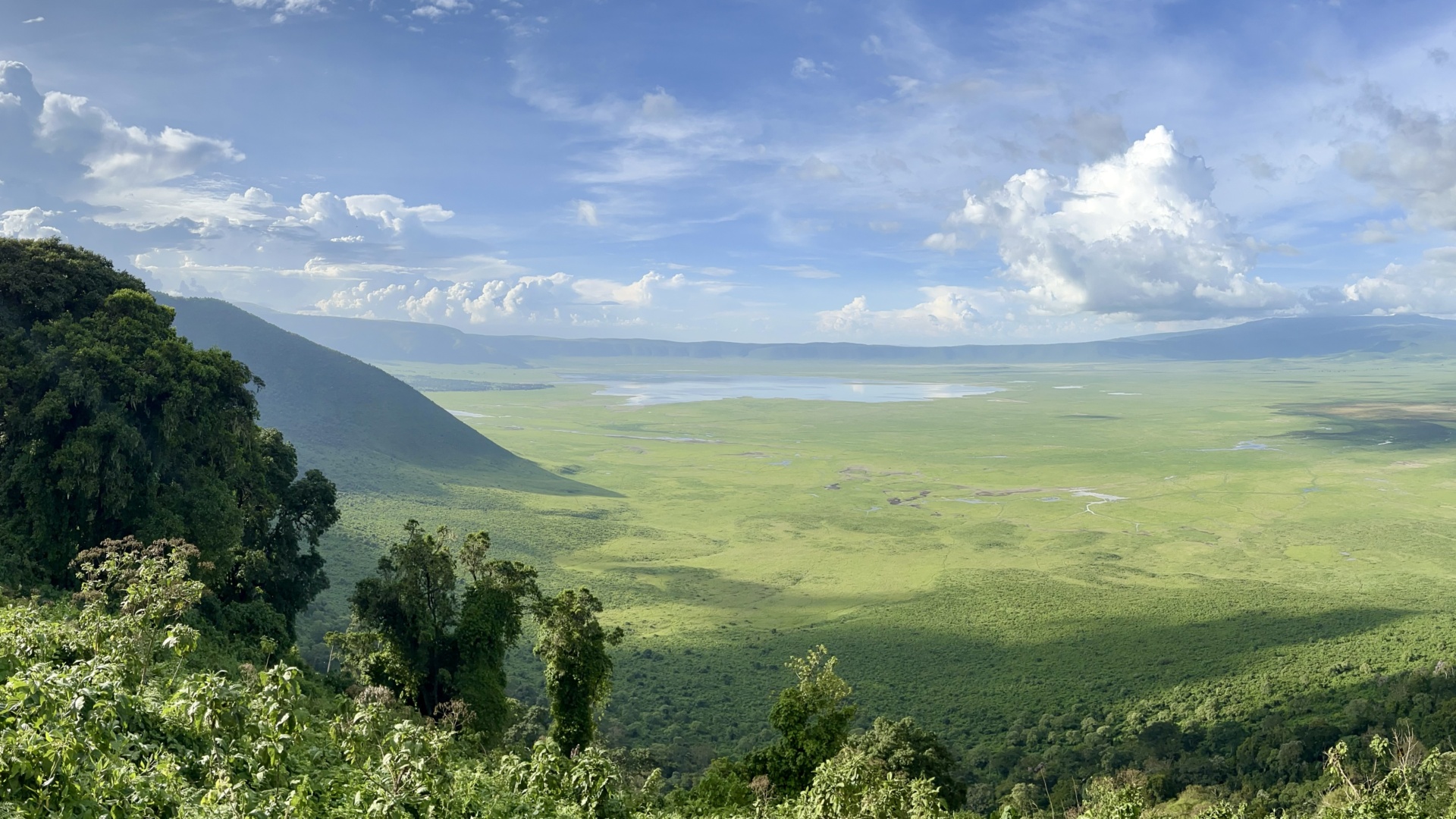
A picnic lunch will be provided as we make our way into the 102-square-mile Ngorongoro Crater, the world’s largest unflooded, unbroken caldera and one of Africa’s best wildlife-viewing areas. Descending from the 7,600-foot rim, we’ll spend a full day encountering black rhinos and hippos, a variety of gazelles, many elephants, thousands of wildebeests, and arguably the highest density of lions of any place in Africa. Flamingos inhabit the alkaline lake in the center of the crater, and other bird life is abundant.
Night: Ngorongoro Serena Lodge
Meals: BLD
Day 8
We’ll depart after breakfast for Olduvai Gorge (or Oldupai Gorge), commonly referred to as “The Cradle of Mankind.” It’s a steep-sided ravine in the Great Rift Valley, which stretches along eastern Africa. Olduvai is in the eastern Serengeti Plains, in northern Tanzania, and is about 30 miles long. The gorge is named after the Maasai word for the wild sisal plant Sansevieria ehrenbergii, commonly called Oldupaai. It’s one of the most important prehistoric sites in the world and has been instrumental in furthering understanding of early human evolution. Excavation work there was pioneered by Louis and Mary Leakey in the 1950s.
Night: Lake Masek Tented Camp or Porini Tented Camp
Meals: BLD
Day 9
This’ll be a full day of game viewing in the southern portion of Serengeti National Park, one of the most famous wildlife areas in the world. The park’s 5,700 square miles are part of the 9,600-square-mile Mara-Serengeti ecosystem, home to incredible herds of wildebeest and other grazing animals. This vast area consists of treeless central plains; savannah dotted with acacias and granite outcroppings called kopjes; and riverine bush and forest in the north. Wildlife abounds here. There are an estimated 1.5 million wildebeest, 200,000 zebra, 18,000 eland, 500,000 Thomson’s gazelle, and 50,000 Grant’s gazelle. Prides of lion, cheetahs, and other predators are plentiful. More than 400 species of birds have been recorded in the park! Normally, January and February represent calving season, so we plan to spend most of our time in Southern Serengeti (Ndutu) exploring The Great Migration. There’s an optional hot air balloon ride over the Serengeti for those who wish.
Night: Lake Masek Tented Camp or Porini Tented Camp
Meals: BLD
Day 10
After breakfast, we’ll depart for Serengeti National Park, home to incredible herds of grazing animals. This vast area consists of treeless central plains, savannah dotted with acacias and granite outcroppings called kopjes, and riverine bush and forest in the north. Wildebeest, zebra, eland, and Thomson’s and Grant’s gazelle number in the hundreds of thousands and even millions. Lions are common, and we may see the occasional cheetah, leopard, or other predator. More than 400 species of birds have been recorded in the park. Serengeti National Park is arguably the best-known wildlife sanctuary in the world.
Night: Kongoni Seregenti Safari Camp
Meals: BLD
Day 11
A million wildebeest, each one driven by the same ancient rhythm, fulfilling its instinctive role in the inescapable cycle of life: a frenzied three-week bout of territorial conquests and mating; survival of the fittest as 25-mile-long columns plunge through crocodile-infested waters on the annual exodus north; replenishing the species in a brief population explosion that produces more than 8,000 calves daily before the 600-mile pilgrimage begins again. This annual migration is a signal attraction of Tanzania’s oldest and most popular national park, when more than 200,000 zebra and 300,000 Thomson’s gazelle join the wildebeest’s trek for fresh grazing. Almost uniquely, all three African jackal species occur here, alongside the spotted hyena and a host of more elusive small predators, ranging from the insectivorous aardwolf to the beautiful serval cat. As enduring as the game-viewing is the liberating sense of space that characterizes the Serengeti Plains, stretching across sunburnt savannah to a shimmering golden horizon at the end of the earth.
Night: Kongoni Seregenti Safari Camp
Meals: BLD
Day 12
Enjoy a morning safari in the park. On leaving the Serengeti, we’ll drive along the western rim of the Ngorongoro Crater to our lodge in the agricultural regions of the Ngorongoro highlands.
Night: Tloma Lodge
Meals: BLD
Day 13
Today’s safari is to Lake Manyara, where we may see flocks of flamingos, pelicans, cormorants, kingfishers, and lapwings, along with baboons, monkeys, and other mammals. Sheltering under the massive escarpment of the Great Rift Valley, and covering an area of 125 square miles, this park is a flash of green amid an otherwise parched landscape. (In The Green Hills of Africa, Hemingway describes the park’s magnificent hunting country.) A line of springs supports the lush vegetation of a groundwater forest, where blue monkeys, baboons, and curious-looking Silvery-cheeked Hornbill live, among the more than 350 bird species, the most common being the flamingo. It’s also home to large herds of buffalo, elephant, giraffe, leopard, civet, black rhino, hippo, zebra, impala, antelope, aardvark, shy pangolin, bushbuck, waterbuck, and many others. It’s also known for its hot springs and the famous tree-climbing lions that laze in the branches of the acacia trees.
Night: Tloma Lodge
Meals: BLD
Day 14
After breakfast, enjoy a morning relaxing by the pool or exploring the lodge’s organic garden and coffee plantation. Late morning, we’ll depart the lodge in time to reach the airport for afternoon/evening flights home or to start your extension.
Meals: BL
Day 15
Arrival home or enjoy your Kilimanjaro Extension and/or Zanzibar Extension. Call for more information.
Tour Leaders
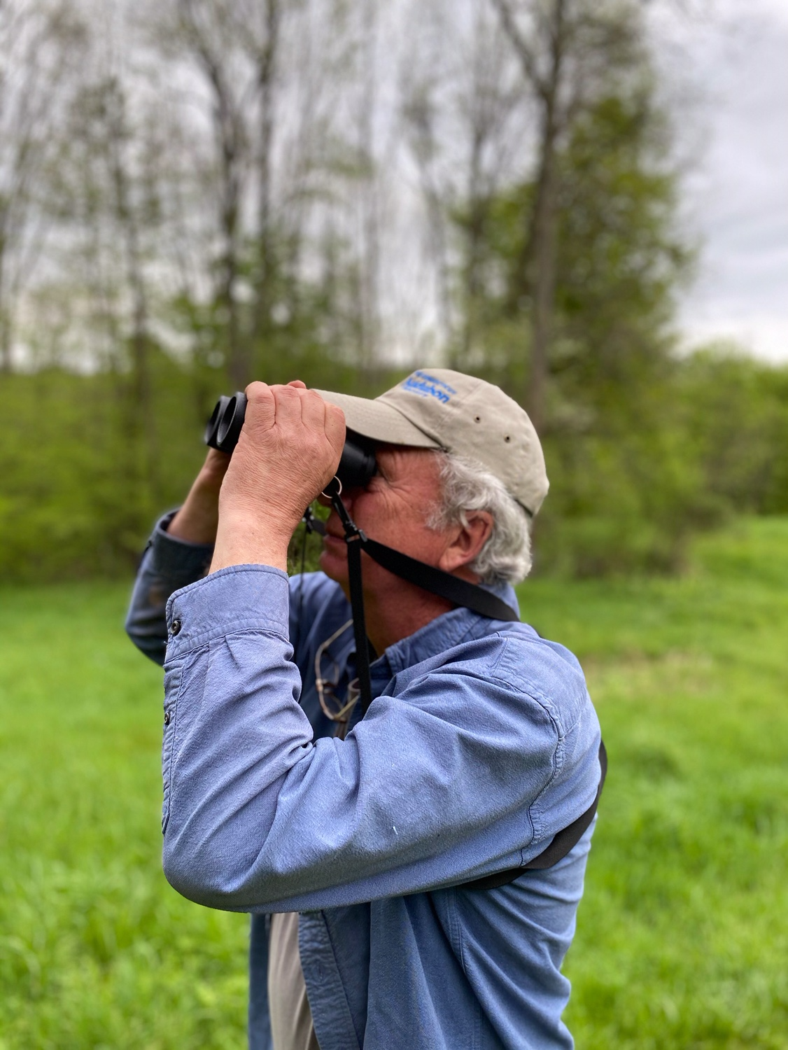
Miley Bull
EcoTravel Frequently Asked Questions
Why travel with EcoTravel?
We’re proud to offer small group travel in support of conservation, both locally and across the globe! By traveling with EcoTravel, you’re supporting environmental education and habitat management everywhere we go. When traveling internationally, we strive to use local companies who know the best places to visit, providing an intimate experience with the culture and wildlife.
What's included in the cost of the trip?
Most everything. Most every travel expense is included in one up-front price – airport transfers as specified in the itinerary, all hotel accommodations, birding/sightseeing with experienced guides, meals as specified in the itinerary, airport transfers, services of local guides, and more.
Most meals are included on EcoTravel journeys. All breakfasts are included, and some dinners. Occasional lunches in special locations may also be included. Although some dinners may not be included, suggestions for dining options will be offered by your tour leader. Many EcoTravel guests choose to dine together to share in new friendships and discoveries, but the choice is yours. Dining is a delightful and integral part of the EcoTravel experience – and that is why we select restaurants that offer a true taste of each region you visit. Most included meals offer limited choice menus, and some may be from a set menu or buffet. All appropriate gratuities for included meals are included.
For exact information of what’s included on a specific trip, please check the trip page.
What's not included in the cost of the trip?
Alcoholic beverages are not included, nor are meal gratuities for not-included meals, local guides, luggage handling, bellmen, doormen, and dining room servers. EcoTravel guides and driver gratuities are not included and should be offered individually, not as a group. Transfer driver gratuities are included.
Luggage service on EcoTravel tours is not included.
For exact information of what’s not included on a specific trip, please check the trip page.
What's your cancellation policy?
All trips are non-refundable.
Day Trips run as scheduled, and all participants are expected to be there. In the event weather postpones the trip and you can’t make the new date, or we don’t receive enough signups to run the trip, you’ll receive a non-expiring credit for the full value paid.
Overnight Trips can be partially refunded outside of 120 days before departure. Payment is due in full 120 days before departure, and no refunds are given. Exact details for each trip can be found in the terms and conditions on the Printable Itinerary.
What's the average group size?
Almost all of our trips are kept to single digits! We believe that small groups give a better experience to everyone. Day Trips and certain overnights may include up to 14 participants, with two guides.
Many of our trips run with just 4-6 participants!
What level of birder do I need to be?
All levels are welcome! While some trips are more intense than others, our guides are skilled at helping everyone see as many birds as possible while having a great time.
Do you sell travel insurance?
EcoTravel is an authorized agent of Travelex travel insurance. Please call the office for more information.
What happens if the tour doesn't fill?
Day Trips: Cancellation results in a credit for the full value that can be used for future trips.
Overnight Trips: Travelers are given the chance to rebook the same trip for a future year, or to move their money at full value to another trip.
What's the activity level of the tours?
It varies! Some tours have lots of walking, while others are more sedentary. For exact information on the activity level of a specific trip, please call the office.
How far in advance can I / should I book?
We encourage you to make your reservation just as early as possible – especially if you are limited to the time period in which you can travel. EcoTravel journeys are popular and tend to fill quickly.
Can EcoTravel help make arrangements for pre-tour and post-tour hotel nights?
Absolutely! Many guests choose to extend their stay and we’re happy to help. As a service, EcoTravel will make hotel reservations before and/or after your journey at select pre-/post-stay hotels offered for that tour. Rooms are reserved at the first or last night’s hotel property of any EcoTravel journey, so there’s no worry of having to change hotels or rooms at the start or end of your trip. Rooms are reserved on a space-available basis, and the cost will be added to your tour cost.
Arranging hotel accommodations in the city where your journey begins for the night preceding your EcoTravel itinerary not only gives you more time to explore on your own, allows your group to become better acclimated to time changes before your journey begins and helps to relieve stress from potential travel delays – important factors to consider! Guests wishing to spend more time in cities where our journeys end can extend their stay – a great way to make your vacation last a little longer.
Are transfers included to and from my pre-tour and post-tour hotels?
Complimentary transfers are included from the airport to your pre-stay hotel for the start of your journey and from your post-stay hotel to your departure airport.
Please Note:Transfers are included for EcoTravel-approved pre- and post-stay hotels. Non-EcoTravel hotel transfers must be approved prior to leaving on your tour.
More Trips
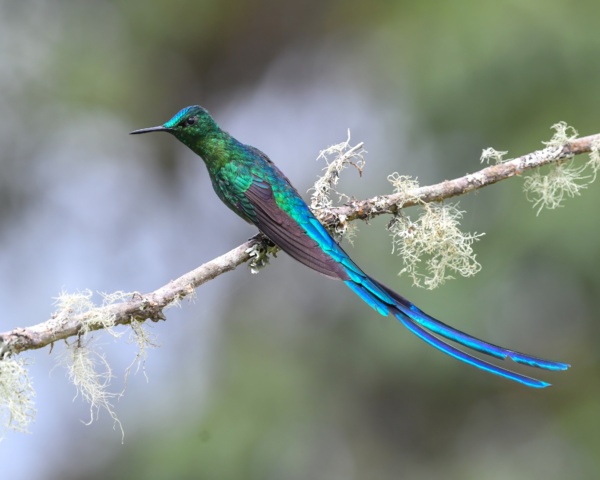
Colombia: Central Andes and Santa Marta
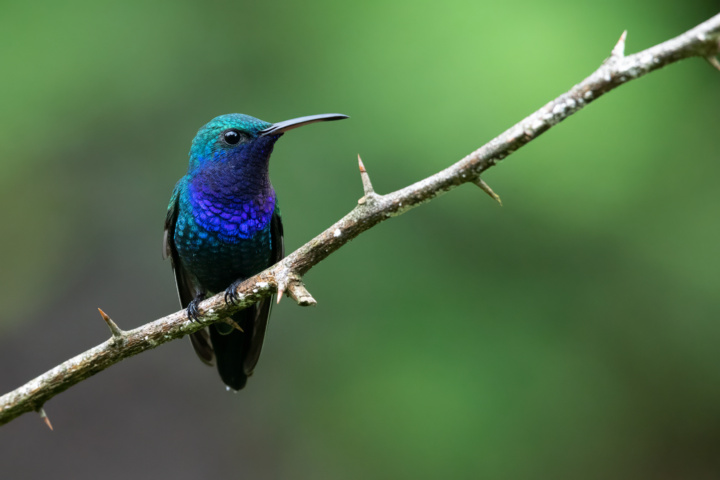
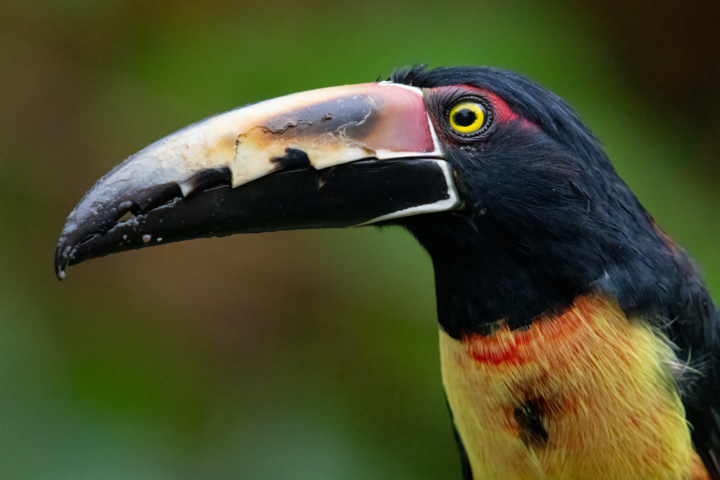
Casual Costa Rica