Uganda: Gorillas and Chimpanzees
Itinerary
Day 1
Depart from home airports on overnight flights to Uganda.
Day 2
An early afternoon arrival in Entebbe will allow for a relaxing rest after a long day of travel. Once we’ve cleared customs, we’ll meet our local guide and transfer to our hotel for a well-deserved rest.
Night: Boma Guest
Meals: LD
Day 3
The full day will be at our leisure, allowing for plenty of time to rest up and regain all the necessary energy for the adventure ahead.
Night: Boma Guest House
Meals: BLD
Day 4
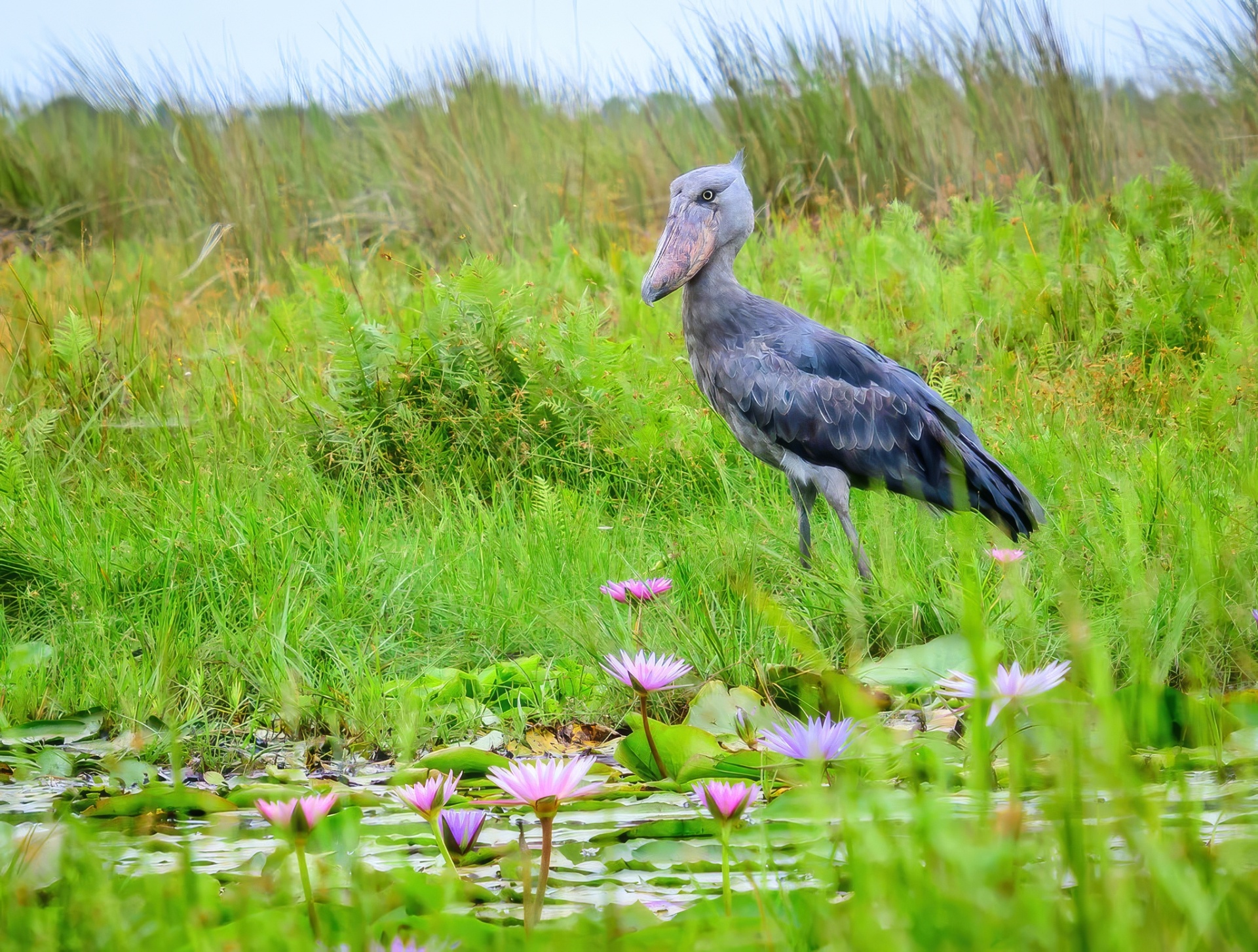
After an early breakfast in the hotel, we set off for the legendary Mabamba Swamp. About an hour to the north, it’s a 64-square-mile wetland on the shores of Lake Victoria. This is a Ramsar Wetland of International Importance, well-known as the home of the endangered Shoebill, Uganda’s most iconic bird. This prehistoric-looking bird is high on most wish lists, and for good reason. With huge, yellow human-like eyes and a massive clog-like bill, its unique appearance makes it a standout species for many. From a big canoe paddled along the narrow channels by an expert local, we may also find Papyrus Gonolek, the regal African Fish Eagle, and Blue-breasted Bee-eater, as well as three kingfishers and several other species of herons, egrets, and waterfowl.
After lunch, we move south to the 300-square-mile Kibale National Park, one of the last remaining expanses of both lowland and montane forests. Established in 1993, it forms a continuous forest with Queen Elizabeth National Park to the southwest, creating a 110-mile wildlife corridor through which African Elephants move freely. The varied altitude (3,600 to 5,200 feet above sea level) results in a variety of habitats, ranging from moist evergreen forest along the Fort Portal plateau, through the dry tropical forest, and then to the woodland and savanna along the rift valley floor. Although over 350 species of trees have been registered here, nature lovers from across the world come to Kibale because it has one of Africa’s highest diversities and concentrations of primates. Species include Ugandan gray-cheeked mangabey, the endangered ashy red colobus, olive baboon, red-tailed monkey, guereza, blue monkey, and the vulnerable L’Hoest’s monkey. Here you’ll be seduced by forest smells and sounds, spot primates swinging through the trees, and observe rare birds and beautiful butterflies.
Night: Kibale Forest Lodge
Meals: BLD
Day 5
Today features a highlight that many dream of! If the excitement prevents you from sleeping through the night, don’t hesitate to ask for a good Ugandan coffee with your wake-up call; there is no better way to wake up on the terrace of your tent while enjoying the lush forest around you. After breakfast, we’ll gather at the Kanyanchu Tourism Centre in Kibale for the day’s highlight activity: chimpanzee trekking. We’ll start with a briefing from the park rangers who will be our guides. We’ll then head to the forest for a three-hour search for man’s closest relative. Since the chimps are used to seeing humans around, you can draw quite close to them and, for a full hour, take as many pictures as you wish as they munch fruit, swing in trees, socialize, patrol, mate, and call. Of course, a variety of other mammals are present among the lush flora. Though rarely seen, we might be lucky enough to spot bushbuck, blue duiker, common warthog, sitatunga, forest hog, or bushpig. If luck is truly on our side, we may encounter African buffalo, leopard, some of the forest-adapted African elephants, different mongooses, two species of otter, and even a lion. A keen observer will also see many species of amphibians and reptiles, and a colorful variety of butterflies.
In the afternoon, we’ll have the chance to explore Bigodi Wetland. More mammals, especially primates, occur around here than in other sections of the park. Semi-aquatic sitatunga antelopes may be seen, along with otters and other water-loving wildlife. The papyrus along the path holds a variety of birds, including kingfishers, waxbills, and cuckoos, while hornbills can be found in the taller trees.
Night: Kibale Forest Lodge
Meals: BLD
Day 6
We’ll have a slightly later breakfast today before we head south toward the Queen Elizabeth National Park, or “Queen,” as the locals call it. Founded in 1952 and first named Kazinga National Park, it was renamed two years later to commemorate a visit by Queen Elizabeth II. The park covers 764 square miles and extends from Lake George in the northeast to Lake Edward in the southwest, with the Kazinga Channel connecting the two lakes. This is Uganda’s most visited park, and with good reason! It has the most diverse habitats of any park in the country and includes areas of sprawling grassland savannah, moist forests, fertile wetlands, and beautiful crater lakes cut into the green, rolling hills. This diversity has led to a fauna and flora count of 95 mammal species, over 600 bird species, and much more. Get your cameras ready! Mammals we could see include leopard, spotted hyena, kob, bushbuck, and common warthog.
Night: Kikolongo Safari Lodge
Meals: BLD
Day 7
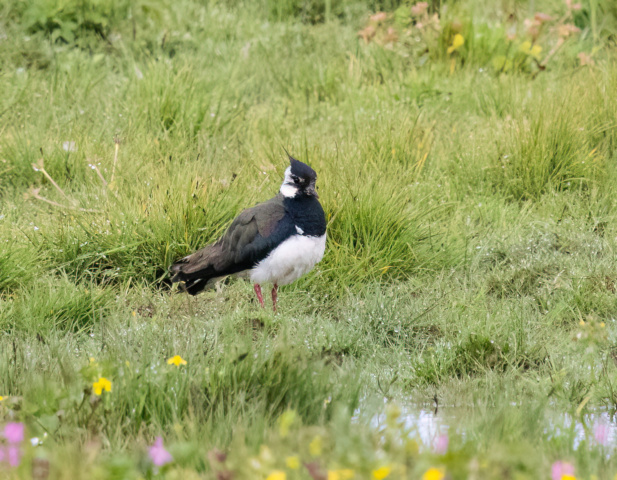
An early morning game drive in the Kasenyi Plains provides chances to see lions, elephants, buffaloes, and Uganda kobs — all accompanied by rich birdlife. Look out for Crowned Lapwing, Red-necked Spurfowl, Gray Kestrel, and Black-lored Babbler.
In the afternoon, we’ll enjoy a boat cruise on the Kazinga Channel, a natural waterway linking Lake George and Lake Edward. During the cruise, we might see African Openbill, Yellow-billed Stork, Hamerkop, Pink-backed and Great White pelicans, Wattled Lapwing, African Sacred Ibis, and much more. Mammals we can expect to see include African buffalo, African elephant, and hippopotamus.
Night: Kikolongo Safari Lodge
Meals: BLD
Day 8
After breakfast, we’ll drive through the scenic Ishasha sector, famous for its tree-climbing lions and excellent birding opportunities. The morning safari may produce, along with the lions, antelopes, and possibly elephants, an abundance of bird life, including Ross’s Turaco, Double-toothed Barbet, and Black Bee-eater.
In the afternoon, we’ll head towards Bwindi Impenetrable National Park, a UNESCO World Heritage Site known for its dense forest and high diversity of birds and primates.
Night: Haven Lodge
Meals: BLD
Day 9
Today is undoubtedly the most exciting day of the trip. After breakfast, we’ll embark on the designated trails in search of the incredible mountain gorilla. Depending on the family group we’re assigned for the day, the morning experience may be between two and six hours. The park’s 400 individual gorillas are known as the Bwindi population, which makes up almost half of all the mountain gorillas in the world. The trek for these great apes is tiresome, since the forest can be quite wet and the going fairly steep. But the exercise will be well rewarded by meeting, watching, spending time with, and photographing these incredible apes as you look straight into their inviting, expressive eyes. You’ll soon realize why, in both evolutionary and genetic terms, ape species (like the gorilla) are actually much closer to humans than monkeys are. Although the gorillas will be the highlight, other mammals we might find include black-fronted and yellow-backed duiker; guereza; L’Hoest’s, blue, and red-tailed monkeys; and chimpanzee.
In the afternoon, there will be optional birding for those feeling adventurous and wanting to explore more of the park.
Night: Haven Lodge
Meals: BLD
Day 10
We’ll spend today in the forests of Bwindi, one of the most famous birding spots in all of East Africa, if not the entire continent. Apart from the avian species, Bwindi boasts 120 other mammal species, more than 200 butterfly species, 27 species of frog, more than 1,000 flowering plant species, and 324 species of tree. We’ll explore all around, taking in the wide variety of wildlife. On top of all the mammals, colorful birds, including Ross’s Turaco, Bar-tailed Trogon, White-headed Woodhoopoe, and many more, can be seen.
Night: Haven Lodge
Meals: BLD
Day 11
After breakfast, we’ll journey towards Lake Mburo National Park, Uganda’s smallest but most charming savannah park. Along the way, we’ll make stops for Long-crested Eagle, Lilac-breasted Roller, and Gray-headed Kingfisher.
In the afternoon, we’ll arrive at Lake Mburo and enjoy an optional short birding walk or boat trip to see African Finfoot, Malachite Kingfisher, and White-backed Night Heron.
Night: Rwakobo Rock Lodge
Meals: BLD
Day 12
Today will be dedicated to exploring the national park. Morning and evening drives provide excellent birding with species like Crested Francolin, Bare-faced Go-away-bird, Brown Parrot, and Green Woodhoopoe, while zebras, elands, topis, impalas, and buffaloes give the perfect blend of birding and wildlife viewing.
In the afternoon, we’ll have the chance to relax at the lodge, reflecting on an incredible trip, and maybe even have the chance to sort through some photos before the journey home.
Night: Rwakobo Rock Lodge
Meals: BLD
Day 13
After breakfast, we’ll journey towards the airport for evening flights home. Along the way, we’ll stop at the Equator in Kayabwe for pictures.
Meals: BL
Tour Leader
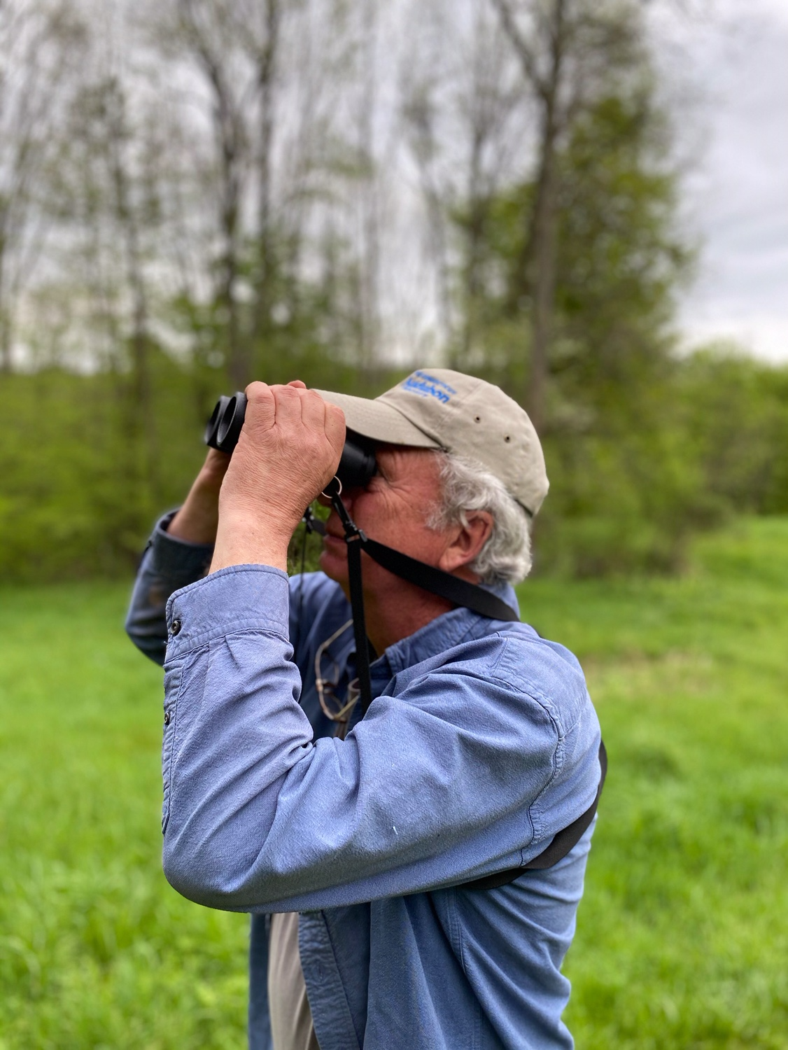
Miley Bull
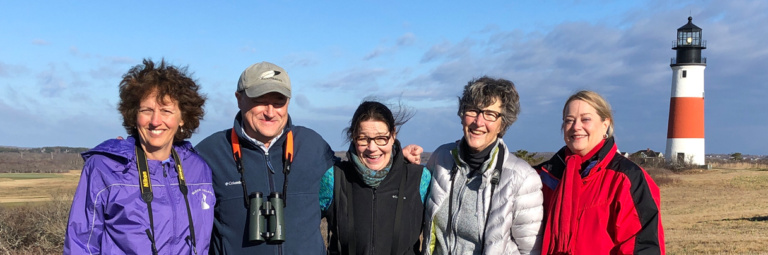
He is a long-time expedition leader for Connecticut Audubon Society's EcoTravel program, and has led trips throughout the Americas, Australia, Antarctica, and Africa. Miley has a BS degree in Wildlife Management from the University of Connecticut and a MS degree in biology from the University of Bridgeport. He and his wife, Cathy, reside in Fairfield
EcoTravel Frequently Asked Questions
Why travel with EcoTravel?
We’re proud to offer small group travel in support of conservation, both locally and across the globe! By traveling with EcoTravel, you’re supporting environmental education and habitat management everywhere we go. When traveling internationally, we strive to use local companies who know the best places to visit, providing an intimate experience with the culture and wildlife.
What's included in the cost of the trip?
Most everything. Most every travel expense is included in one up-front price – airport transfers as specified in the itinerary, all hotel accommodations, birding/sightseeing with experienced guides, meals as specified in the itinerary, airport transfers, services of local guides, and more.
Most meals are included on EcoTravel journeys. All breakfasts are included, and some dinners. Occasional lunches in special locations may also be included. Although some dinners may not be included, suggestions for dining options will be offered by your tour leader. Many EcoTravel guests choose to dine together to share in new friendships and discoveries, but the choice is yours. Dining is a delightful and integral part of the EcoTravel experience – and that is why we select restaurants that offer a true taste of each region you visit. Most included meals offer limited choice menus, and some may be from a set menu or buffet. All appropriate gratuities for included meals are included.
For exact information of what’s included on a specific trip, please check the trip page.
What's not included in the cost of the trip?
Alcoholic beverages are not included, nor are meal gratuities for not-included meals, local guides, luggage handling, bellmen, doormen, and dining room servers. EcoTravel guides and driver gratuities are not included and should be offered individually, not as a group. Transfer driver gratuities are included.
Luggage service on EcoTravel tours is not included.
For exact information of what’s not included on a specific trip, please check the trip page.
What's your cancellation policy?
All trips are non-refundable.
Day Trips run as scheduled, and all participants are expected to be there. In the event weather postpones the trip and you can’t make the new date, or we don’t receive enough signups to run the trip, you’ll receive a non-expiring credit for the full value paid.
Overnight Trips can be partially refunded outside of 120 days before departure. Payment is due in full 120 days before departure, and no refunds are given. Exact details for each trip can be found in the terms and conditions on the Printable Itinerary.
What's the average group size?
Almost all of our trips are kept to single digits! We believe that small groups give a better experience to everyone. Day Trips and certain overnights may include up to 14 participants, with two guides.
Many of our trips run with just 4-6 participants!
What level of birder do I need to be?
All levels are welcome! While some trips are more intense than others, our guides are skilled at helping everyone see as many birds as possible while having a great time.
Do you sell travel insurance?
EcoTravel is an authorized agent of Travelex travel insurance. Please call the office for more information.
What happens if the tour doesn't fill?
Day Trips: Cancellation results in a credit for the full value that can be used for future trips.
Overnight Trips: Travelers are given the chance to rebook the same trip for a future year, or to move their money at full value to another trip.
What's the activity level of the tours?
It varies! Some tours have lots of walking, while others are more sedentary. For exact information on the activity level of a specific trip, please call the office.
How far in advance can I / should I book?
We encourage you to make your reservation just as early as possible – especially if you are limited to the time period in which you can travel. EcoTravel journeys are popular and tend to fill quickly.
Can EcoTravel help make arrangements for pre-tour and post-tour hotel nights?
Absolutely! Many guests choose to extend their stay and we’re happy to help. As a service, EcoTravel will make hotel reservations before and/or after your journey at select pre-/post-stay hotels offered for that tour. Rooms are reserved at the first or last night’s hotel property of any EcoTravel journey, so there’s no worry of having to change hotels or rooms at the start or end of your trip. Rooms are reserved on a space-available basis, and the cost will be added to your tour cost.
Arranging hotel accommodations in the city where your journey begins for the night preceding your EcoTravel itinerary not only gives you more time to explore on your own, allows your group to become better acclimated to time changes before your journey begins and helps to relieve stress from potential travel delays – important factors to consider! Guests wishing to spend more time in cities where our journeys end can extend their stay – a great way to make your vacation last a little longer.
Are transfers included to and from my pre-tour and post-tour hotels?
Complimentary transfers are included from the airport to your pre-stay hotel for the start of your journey and from your post-stay hotel to your departure airport.
Please Note:Transfers are included for EcoTravel-approved pre- and post-stay hotels. Non-EcoTravel hotel transfers must be approved prior to leaving on your tour.
More Trips
Galapagos Island Cruise (Miley Bull)
Iceland: Puffins, Glaciers, and The Ring Road