2020 Annual Report
[one-half-first]
October 15, 2020 — Autumn is a perfect chance to catch up with Connecticut Audubon’s members. You’re the foundation of the organization. The gifts you generously make are essential to the state’s birds and wildlife. Generosity that leads to good things for birds and their habitats can be its own reward.
And there are tangible benefits. Walking the trails; learning and enjoying via lectures and presentations; scanning for birds from the beaches; looking for butterflies in the meadows. The time you spend on the trails and in the sanctuaries is essential to you.
What follows is a review of some of the things your generosity and involvement have accomplished over the past year or so. On behalf of our Board of Directors and staff, let me send my sincere thanks to you all. — Patrick Comins, Executive Director
Summer 2019
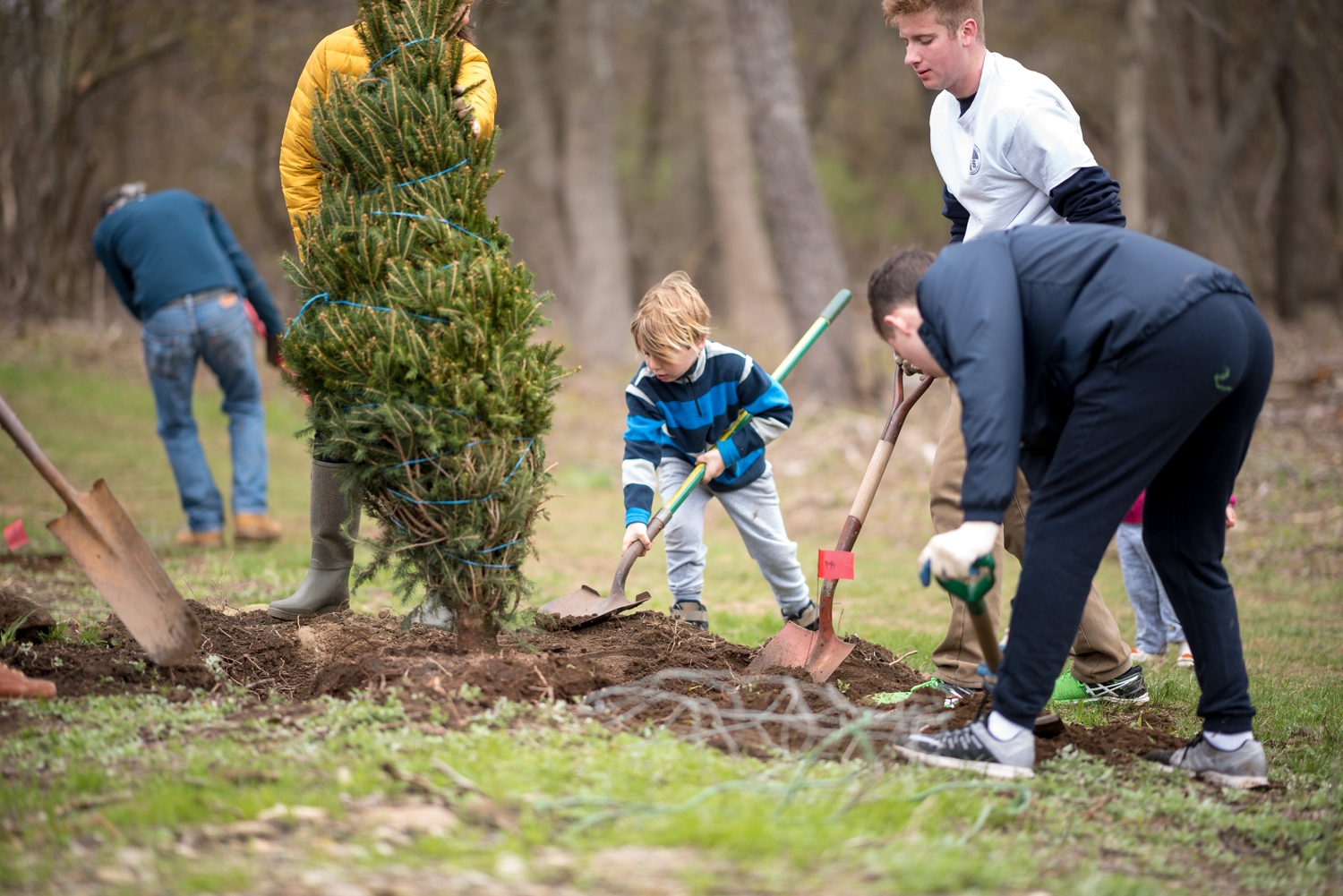
Deer Pond Farm opened its New York half to the public in summer 2019. Important projects revived and improved forests damaged by emerald ash borers. The strong contingent of volunteers included Mary Ann Raph, Karen Forbes, Victoria Foulke, Sandy Woodford and others. At Trail Wood in Hampton a similar project brought new life to an area ravaged by spongy moths. Birds began to move back in. Indigo Buntings. Chestnut-sided Warblers. Eastern Towhees. The work benefits wildlife but is also meant for you to enjoy.
The sixth season of the Osprey Nation citizen science project saw increases in the total number of Osprey nests in Connecticut, the number of active nests. Maybe most important of all was the dedication of the volunteer stewards. Almost 350 volunteers submitted data, and people such as Madeline Dennis, Brenda Rich, Miriam Levin, and Nancy James continued to be the foundation of the program.
Autumn 2019
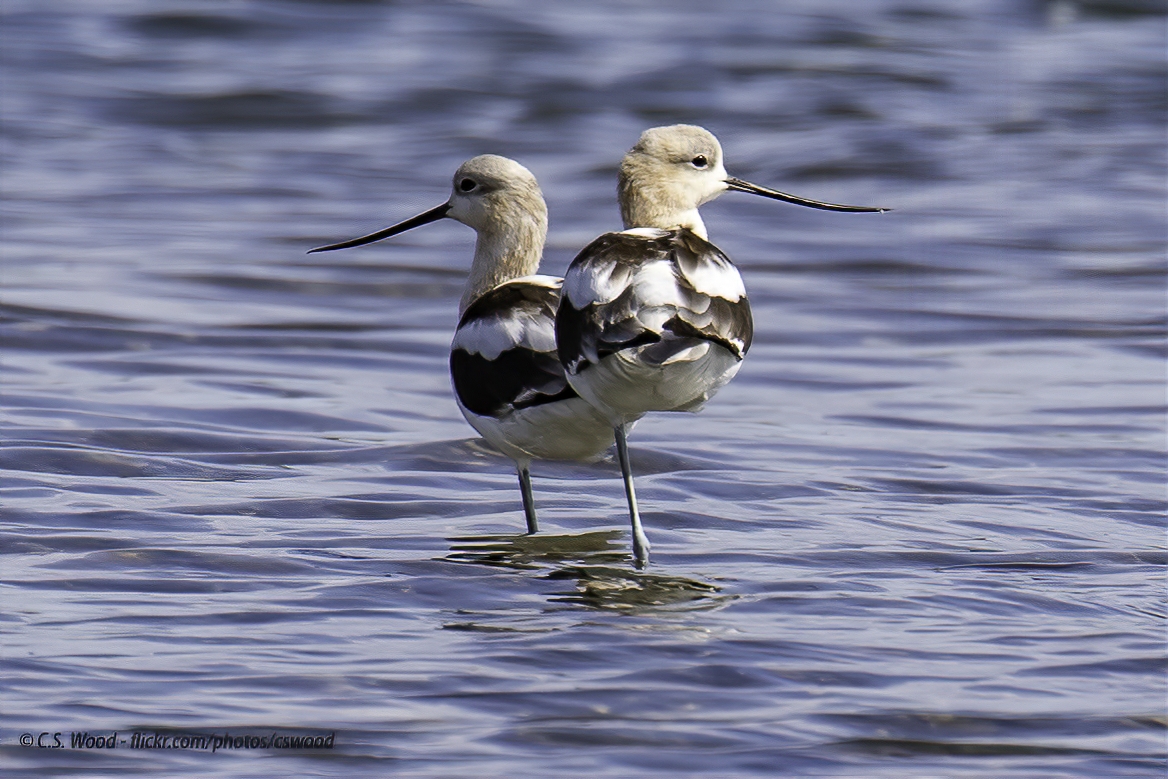
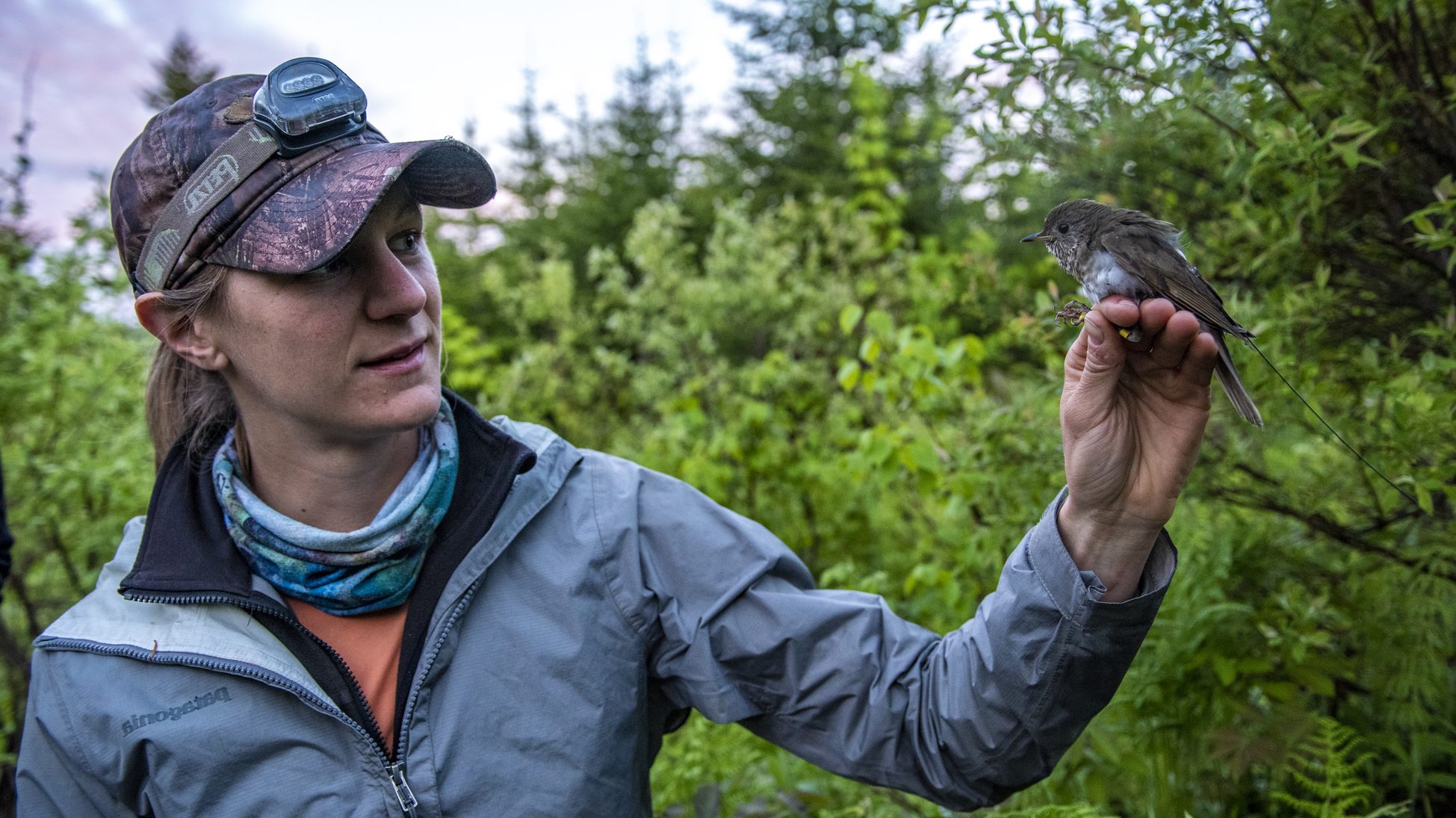
Almost 2,000 of you signed up for the new Connecticut Audubon Rare Bird Alert. The payoff was quick. Three American Avocets showed up at the Milford Point Coastal Center and stayed for several days. Since then, almost 60 alerts have gone out.One rarity you did not see was a Bicknell’s Thrush detected in October by the Motus antenna at Deer Pond Farm. The thrush had been tagged in June on its nesting grounds in northern Maine and passed the antenna on its way south. Bicknell’s Thrush is vulnerable to extinction, and very difficult to identify in the field.
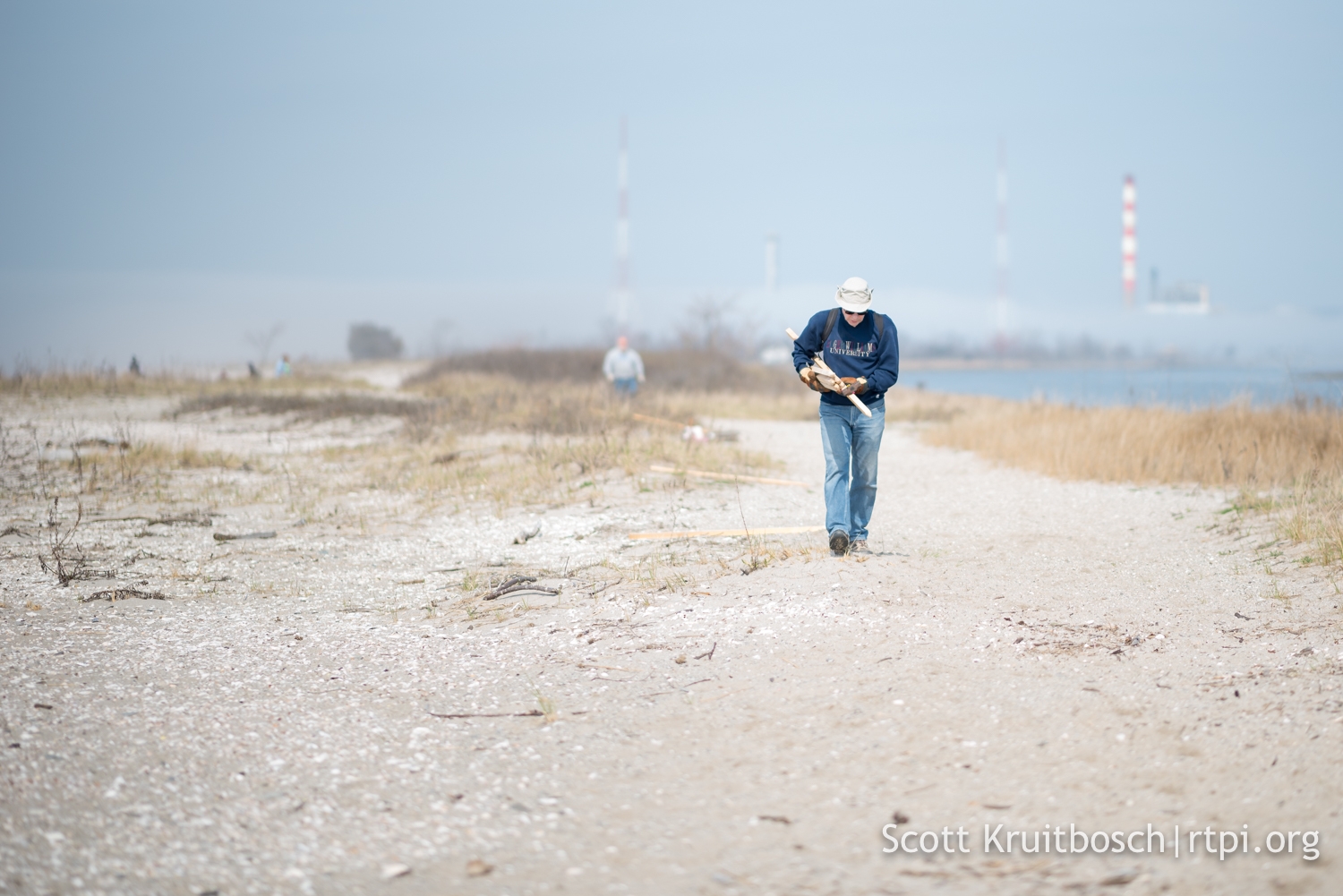
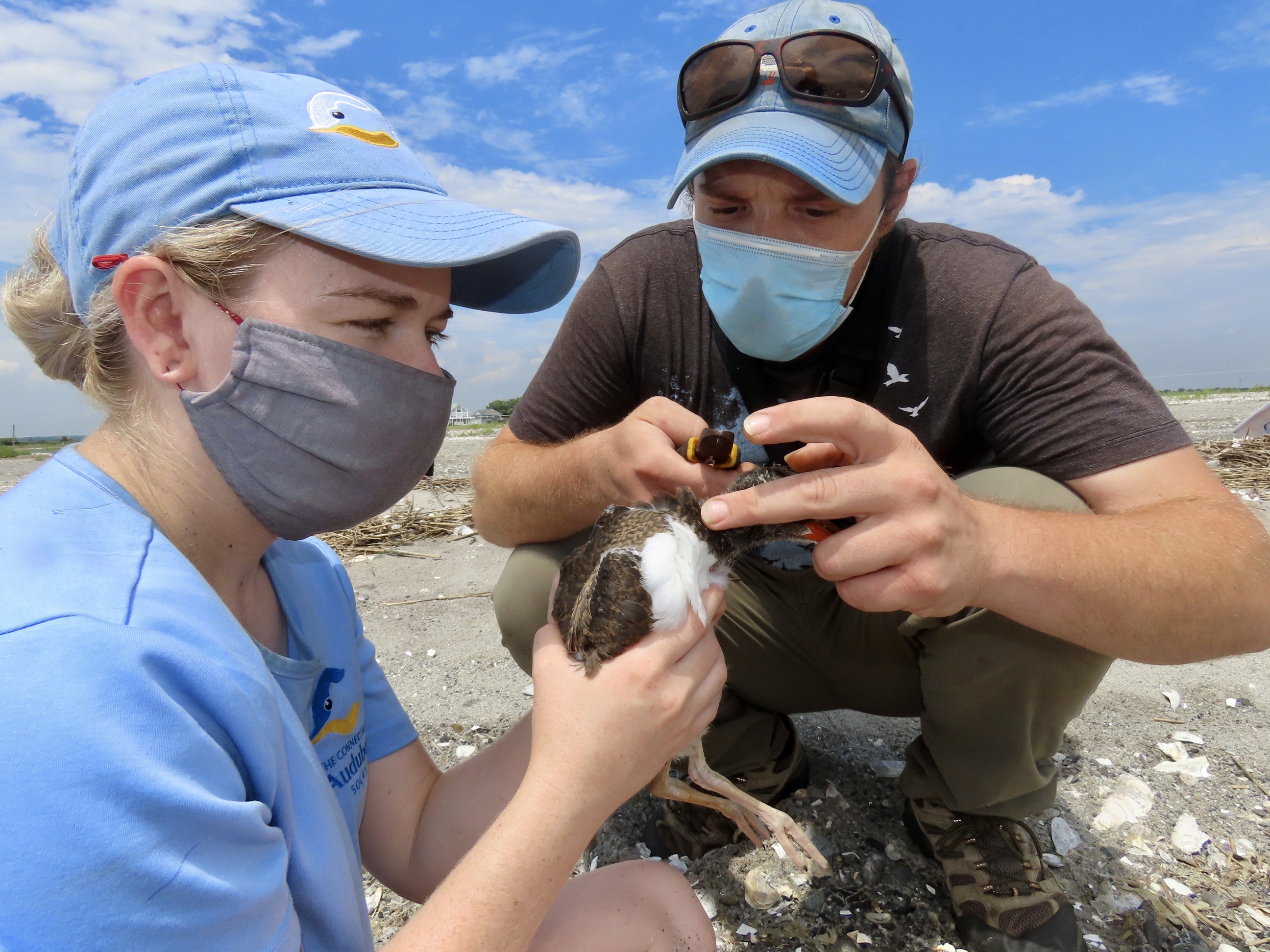
In November, the Audubon Alliance for Coastal Waterbirds reported another good season for Piping Plovers and American Oystercatchers. The alliance relies on a core of Connecticut Audubon members among its nearly 100 volunteers. Bill Batsford of New Haven, George Amato of Milford, and Connecticut Audubon Board Chair Kathleen Van Der Aue, among many others. At the Milford Point Coastal Center alone there were nine Piping Plover nests. Statewide, 98 plovers fledged from 57 nests; 64 oystercatchers fledged from 74 nests.
The 14th annual Connecticut State of the Birds report, in December, looked at climate change and Long Island Sound. Eleven experts from around the region contributed articles. They deserve thanks too — from Save the Sound, The Nature Conservancy, the Long Island Sound Study, Connecticut Sea Grant, Audubon Connecticut, the CT DEEP, Cornell, and the University of Connecticut. Patrick J. Lynch, a Long Island Sound author and member of Connecticut Audubon’s Board of Directors, wrote the introduction.
The report concluded that climate change is obvious in many, easy-to-see ways. Rising seas, flooded marshes, vulnerable nesting areas, warmer waters. Changes will happen no matter what. But it’s not too late to avoid the worst impacts.
Just for the fun of it, Connecticut Audubon closed 2019 by releasing its second annual list of Birds of the Year. Unlike 2018, there were no Roseate Spoonbills to catch people’s attention. But Parasitic Jaeger, Brewer’s Sparrow, Leconte’s Sparrow, and that fleeting Bicknell’s Thrush from Deer Pond Farm made the list.
Winter 2020
In the new year, Connecticut Audubon’s passionate cadre of advocates spoke out in favor of a new Migratory Bird Protection Act introduced in Congress. Almost 1,000 advocates wrote to their Congressional representatives.
The volunteers on the organization’s Policy Committee, including Thomas Swarr and Board members Christina Clayton and Charles Fleischman, led Connecticut Audubon to call in February for a ban on fishing for horseshoe crabs in the Sound. Horseshoe crabs are an important part of the Sound’s ecosystem. Shorebirds gobble the eggs to fatten up for migration. Their numbers have been perilously low for years and a ban would help bring the population back.
Spring 2020
In March, things changed.
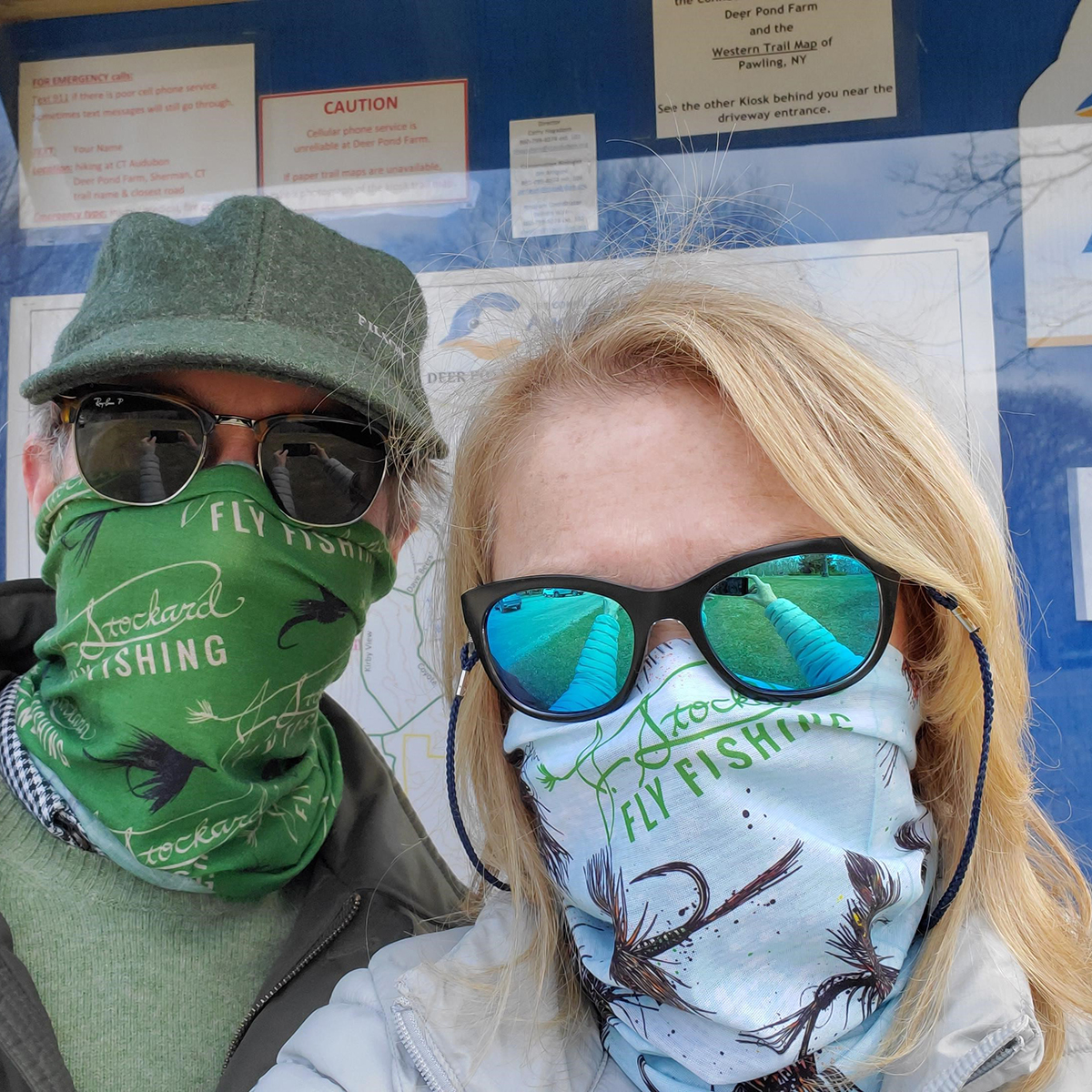
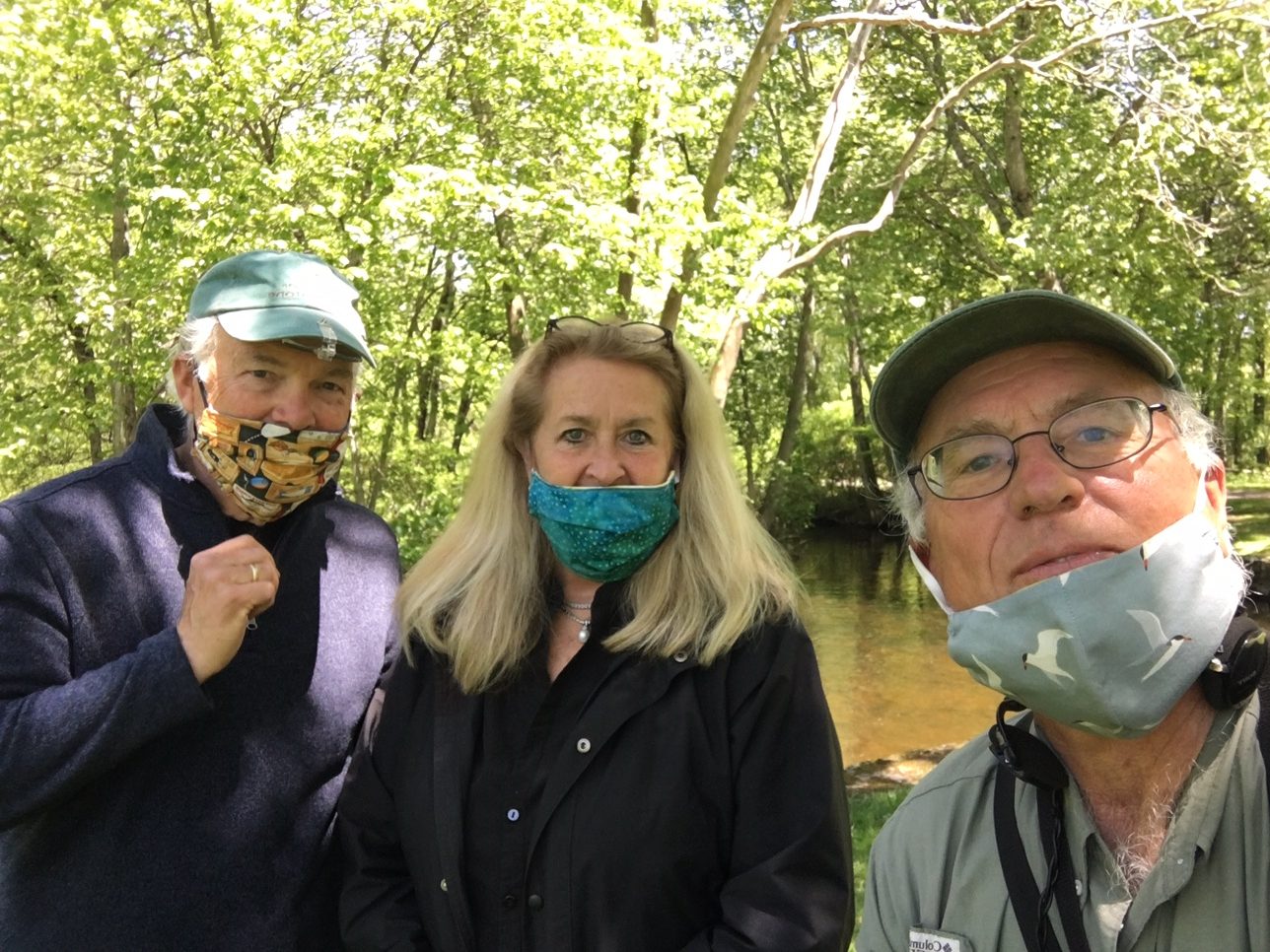
The COVID-19 lockdown started. Connecticut Audubon closed its center buildings (including the permanent closing of the Center at Glastonbury). But nature offers joy and relief. So sanctuaries and trails remained open. A special thank you to those who visited and followed the social-distance and mask-wearing guidelines. Your cooperation meant there were few if any problems.
With outdoor programming no longer a safe option, staff and volunteers innovated ways to offer you nature-related experiences. Your response was inspirational.
Zoom webinars about birds and conservation, produced by the Roger Tory Peterson Estuary Center, drew hundreds of participants. They’ve become a permanent part of our programming.
The Center at Fairfield and the Coastal Center produced the popular Dr. Science videos, mainly for kids. IPhone in hand, EcoTravel took viewers onto Osprey platforms. Deer Pond Farm showed how habitat improvement work is done. Volunteers including Misty Beyer at the Smith Richardson Preserve in Westport produced an incredible 40-minute video that gave an in-depth look at the ongoing habitat improvements there.
To satisfy bird cravings during the lockdown, Tomas Koeck and Liz Jaffin volunteered to take over Connecticut Audubon’s Instagram, delighting the 2,400 followers with their awesome photos. And when we launched the Daily Bird, a new feature immeasurably enhanced by the videos of Board member Gilles Carter, 400-plus people signed up receive it for free via text.
Frank Mantlik, a member of the Coastal Center regional board, took time off from leading bird walks to be among a group eyeing a Townsend’s Warbler in Hartford in April. It was the first one ever recorded in Connecticut and the 400th species on Frank’s state list. That’s a milestone only two others have reached.
On a beautiful, windy April day, as people took shelter against the pandemic, Connecticut Audubon organized a family-friendly backyard bioblitz. The basic instructions: stay near home, stay with people close to you, and make a list of every species you see. More than 200 people participated and recorded 654 species. But numbers never tell the whole story.
Patricia Walker of Shelton, a professor at Sacred Heart University, said the bioblitz made her week: “I had 22 observations and 16 species. My highlight was a wild turkey who came at the end of the day as I took one final look out the window. I got help from fellow participants on some of the identifications. This was a bright spot in my week. I’m still looking at the pictures.”
The 2020 Birdathon followed in May. Sixty-seven birders, wearing masks and keeping their social-distance, submitted checklists and helped raise more than $20,000 for conservation. Tina Green, a Connecticut Audubon member from Westport, saw the most species, 175. But at a time when travel was discouraged, participation was as important as winning, and members such as Lindsay Vigue, Christina Cole, Aaron Bourque and Andrew Dasinger and all the others deserve a major hat-tip.
Summer 2020
Outdoor programs started again in June, with guided walks at our sanctuaries for small groups. The Center at Pomfret was in the vanguard, resuming its well-regarded bird tours but with participants in separate cars. Everywhere, masks and social-distancing were mandatory. Members responded with enthusiasm, and with respect and concern for others they passed on the trails.
From October until the lockdown, our EcoTravel program made nine overnight trips with 69 travelers and 10 day trips, with 81 travelers. Then March, April, and into May—nothing. Lockdown. But self-driving trips started later in May, followed by day trips with transportation provided and overnight trips in September. Travelers were eager to get back out there and see what they could: 44 went on four overnight trips, and 165 went on 18 day trips.
In July, the Policy Committee and the corps of advocates claimed a truly important win for conservation. Congress passed a law that permanently funded the Land and Water Conservation Fund. Each year, $900 million will be set aside to buy land. That includes important additions of national wildlife refuges in Connecticut.
You responded like never before on advocacy matters. More than 3,600 people signed up for action alerts. In addition to the Land and Water Conservation Fund, you spoke out on issues such as the National Estuarine Research Reserve, state funding for trails, and the Migratory Bird Treaty Act.
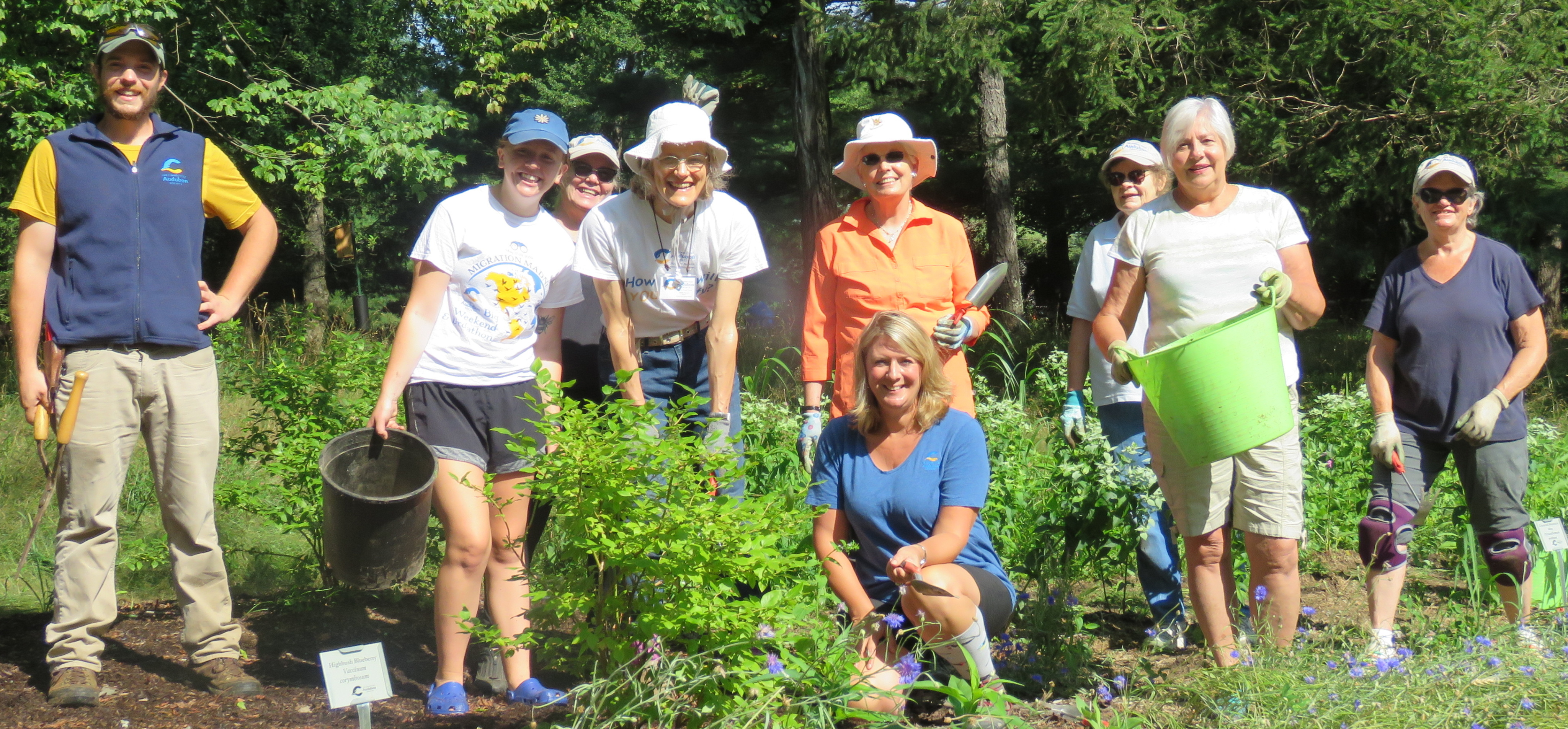
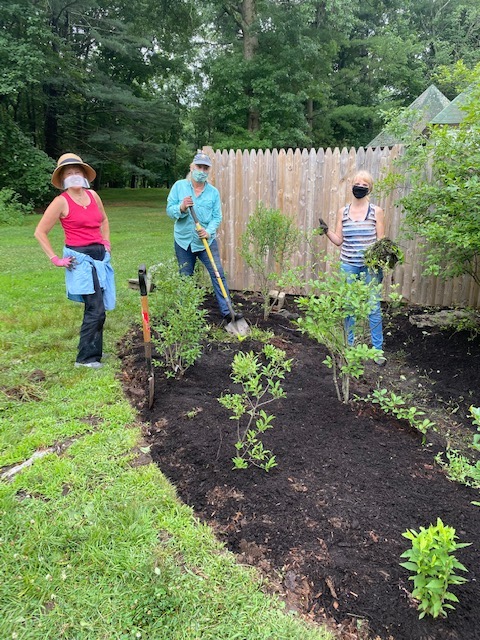
Smith Richardson volunteers continued their amazing progress on habitat management and enhancement activities thanks to the leadership of Jerid O’Connell and Charlie Stebbins. In mid July, the enthusiastic volunteers of the Friends of Larsen Sanctuary braved the heat and humidity to work on the gardens surrounding the Center at Fairfield. They cleaned up garden beds, and weeded and mulched – all before a major storm.
More than 130 birds fledged from the Purple Martin colony at Milford Point, which was faithfully maintained by George Amato, Lori Romick, Frank Mantlik, Gilles Carter and others. Two dozen people “adopted” nest gourds to financially support the effort.
August saw the acquisition of 33 acres in Montville, which are now part of the Morgan R. Chaney Preserve.
And throughout the summer, everybody continued to be amazed and moved by birds.
When Piping Plovers and American Oystercatchers at Milford Point saved their own nests and eggs from an unusually high tide, the number of clicks to the website threatened to take ctaudubon.org down. When staff members later rescued one of those birds after its neck got caught in a piece of netting, people around the state took notice and rejoiced.
All of it happened because of you. The members of the Connecticut Audubon Society.
It’s worth saying again. Volunteers are responsible for conservation successes. Advocates who speak out are responsible for conservation successes. Donors and members whose contributions pay the salaries of the staff experts who help carry out the projects are responsible for conservation successes.
It’s a group effort, and the Board of Directors and the people who work at Connecticut Audubon are very grateful.
[/one-half-first]
[one-half]

[/one-half]