Explore the Great Trails of New Fairfield and Sherman Plus Hiking Tips
 By Cherry Dumaual
Lucky residents of New Fairfield and Sherman! Together, these two towns boast approximately 43 miles of trails—offering a wide range of experiences for walking, hiking, birdwatching, meandering, or even meditative strolls. Whether you’re looking for a gentle walk or a more vigorous trek, the trails showcase the natural beauty and biodiversity of the region.
Connecticut Trails Day, held annually on the first weekend in June, is the perfect opportunity to explore these scenic paths with friends and family. Events are free, open to all, and led by knowledgeable guides.
In New Fairfield, the Candlewood Valley Regional Land Trust (CVRLT) will host a 1-mile birdwatching walk at Komlo Preserve from 10 a.m. to noon on Saturday, June 7. My neighbor Jayne Morin, a CVRLT board member, shared the details. The walk will be led by Lori Lichtenauer, avian specialist and Sanctuary Manager/Naturalist at the Connecticut Audubon Society’s Deer Pond Farm nature preserve in Sherman.
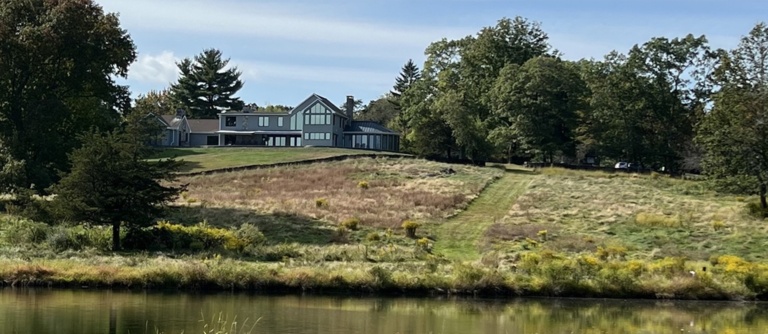
Komlo Preserve is a 26-acre gem tucked behind the Nuvance Health Medical building on Route 37. With its open meadows, forested wetlands, man-made pond, and wildlife sanctuary, it’s an idyllic retreat in the heart of town. Beavers, ducks, and geese are among the many species that call it home.
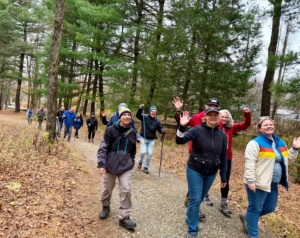
Over in Sherman, Deer Pond Farm nature preserve is also hosting a 3 – 4 mile guided nature hike at 1 PM. There are 850 acres of land (half in Sherman and half in Pawling) with 15 miles of wide well marked trails to explore. Visitor parking and office is at 57 Wakeman Hill Road. There are easy, family-friendly loops as well as lengthy hikes with some elevation gains. There are amazing unlimited views facing west from two of our NY trails.
Deer Pond Farm Director Cathy Hagadorn states that: “Hiking is a great year-round activity for all ages! I love leading hikes and guided programs on various themes to seasoned hikers and people new to nature. Deer Pond Farm offers free First Friday hikes each month of the year. Joining a guided hike is a great way to become familiar with a trail network and make new like-minded friends. We also offer weekly guided hikes and programs with various themes on birds, trees, fern identification and more!”
Cathy Hagadorn: Connecticut has so many free places to go hiking. It takes a lot of resources to maintain the vast miles of trails in our area. Please consider donating your time for trail maintenance and or co-lead a hike with your local land trust or environmental non-profit organization.
To make the most of your CT Trails Day experience—or any day outdoors—here are tips from the Deer Pond Farm’s Ms. Hagadorn and Ms. Lichtenauer.
How to plan and choose where to hike:
Cathy Hagadorn: Trails can vary in length, width and terrain. Some trails are long, rugged and narrow such as the Appalachian Trail spanning 2,190 miles from Georgia to Maine. Locally, some trails can be loops such as in the Northwest CT Land Conservancy’s Mallory / Schnekenburger preserve near the Sherman Town Hall that has 3 miles of overlapping loops and a boardwalk. Plan in advance before going to a new hiking area for the first time. Learn to read a map with topographical lines so that you will know how steep an area is. Practice ‘Leave No Trace’ principles
What to Wear:
Lori Lichtenauer: Always wear proper footwear; unless the trails are fully paved, sneakers won’t cut it! A sturdy hiking boot will protect your feet from rocks, tree roots, and will be much more comfortable for the duration of your hiking. Wool socks are also the best for absorbing sweat. I always take a hat, sunscreen, and bug spray with me when I hike. Don’t wear cotton clothing, especially shirts. You will sweat and cotton fabric does not dry quickly. If something happens, and you are stuck on the trails while the sun is going down, you can start to get very cold very quickly wearing a damp cotton shirt. Wear layers of quick wicking, synthetic fabric for best comfort.
What to Bring:
Lori Lichtenauer: I always bring binoculars hiking. Binoculars are great for birding but can also make it easier to see tree leaves at the top of the canopy, flowering plants across a pond, painted turtles sunning on the rocks, and lots more. It can be fun to see familiar things through a new, close-up perspective.
A first aid kit is always a useful thing to have on the trails especially for foot blisters, mosquito bites, and sunburns. Bring anything you need to make you feel more comfortable. But remember, you’ll have to carry everything in your pack, so try not to overdo it.
Cathy Hagadorn: Using hiking poles can really help improve your hiking experience. You’ll have better balance, posture, and endurance. If I am hiking on long steep terrain, I’ll use two hiking poles. I often see people just use a sturdy branch as a makeshift hiking pole
Lori Lichtenauer: I also recommend looking at a map ahead of time of your trail and if possible, bring a paper map. Many people use maps on their phones which is convenient and accurate, but can drain your phone battery quickly. Learning to read topographic maps is a useful skill and can also help you plan a hike based on your abilities. Reading the topographic lines allows you to see the steepness of the hills you will be climbing. Considering the topography of where you are hiking prevents you from biting off more than you can chew.
What to Leave Behind (in your car or at home):
Cathy Hagadorn: Land trusts, open spaces, state and town parks each have different rules and regulations. Make sure that you are clear about various guidelines at the places you are hiking such as dogs not being allowed, no drone use, no access after dark, etc. Leave your earbuds or headset in the car or at home. Enjoy the sounds of nature. You’ll also be more aware of any safety issues.
“Take only Memories – Leave only footprints.” Practice Leave No Trace Principles
Lori Lichtenauer: Leave behind your expectations! You never know what you can see on the trails. Visiting the same places at different times of year can be so rewarding. Be present, observe the world around you and you never know what you may notice.
Planning & Safety Tips to Keep in Mind:
Lori Lichtenauer: Always tell someone where you are going, and how long you will be. Always charge your phone before going out in the woods on your own. Portable chargers can be handy. Depending on where you are hiking in Connecticut, you may want to have bear spray as well. Read the label to learn how to use it correctly before packing it. Give wildlife plenty of room; if you encounter a bear, make lots of noise to startle it so that it runs away. This is called “hazing.” Hazing bears might feel mean, but it keeps people, and the bears, safe!
- For Longer hikes: bring a first aid kit, change of clothes and plenty of water.
Cathy Hagadorn: When hiking, share your nature observations on apps such as eBird.org and or iNaturalist. Therse reports are super helpful for open space management. Report any highlights or trail hazards to the owner of the hiking area. Deer Pond Farm has many trail monitors that actively patrol, monitor and maintain our trail network with staff. Their reports to me are key in addressing larger safety or environmental issues.
Don’t rely on your cell phone service or app for navigation. There are many places in New Fairfield / Sherman with spotty cell service. If you have an emergency, you can also text 911 if your call does not go through. Take a photo of the hiking map to use less battery power than using a hiking app. Lots of people will use a paper map from a Kiosk, then return it for the next person to use. Trail conditions can change due to weather: rain, ice, and snow. Always be prepared!
Spending time in nature brings abundant rewards. Whether you take a peaceful stroll or a challenging hike, you’ll enjoy physical, mental, and emotional benefits. Walking and hiking can boost heart health, strengthen muscles, and improve balance. Being outdoors also reduces stress and anxiety, lifts your mood, and can enhance focus and creativity.
Emotionally, nature encourages mindfulness and deepens our connection to the world around us. Plus, you’ll soak up some vitamin D and leave with a renewed appreciation for the environment. Whether you venture out alone or with others, making time for the outdoors (walking, hiking or birding) is one of the simplest, healthiest ways to recharge.