July 18, 2018 — Endangered Sedge Wrens are Nesting in Pomfret
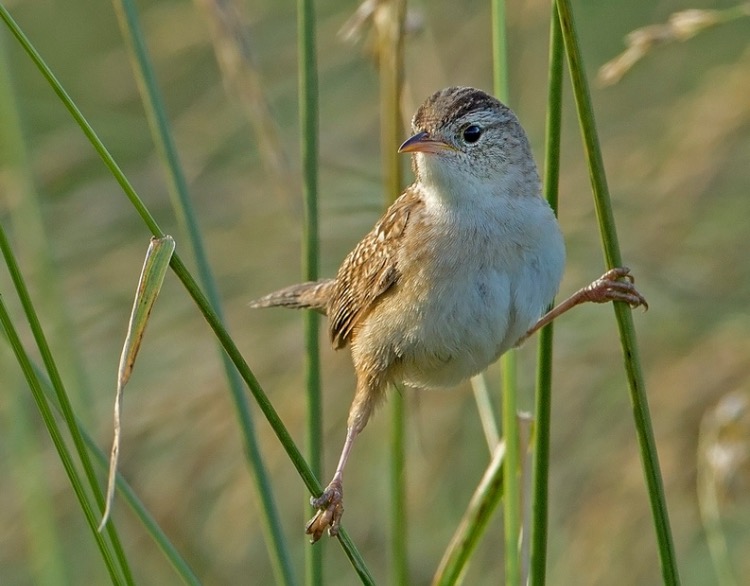
Sedge Wren by Mark Szantyr
July 18, 2018 – A tiny endangered bird that rarely nests in the state has made a home this summer at the Connecticut Audubon Society’s Bafflin Sanctuary in Pomfret.
A pair of Sedge Wrens is raising a family in a field across the road from the Center at Pomfret, and another may be doing the same in a field near the center’s parking lot.
How unusual is that? Sedge Wrens weren’t found during mid-1980s fieldwork for the Atlas of Breeding Birds of Connecticut, published in 1994, and were considered “extirpated” as a breeding species in the state in Connecticut Birds, published in 1990. And although a pair nested in Newtown without much fanfare several years ago, no Sedge Wrens except the Pomfret pair have been found this year by the 450 observers participating in the current Connecticut Bird Atlas project.
This year Andy Rzeznikiewicz, Connecticut Audubon’s sanctuary manager in eastern Connecticut, monitored the area closely and announced in early July that a pair of Sedge Wrens had indeed built a nest and were feeding hatchlings.
But the nesting is not a fluke. For years Connecticut Audubon has been managing the 700-acre Bafflin Sanctuary’s habitat for birds such as Sedge Wrens – species that nest only in large grasslands. Last year, while he was leading a walk to find Virginia Rails in the same areas that the wrens are nesting this year, Rzeznikiewicz saw a lone Sedge Wren, a sign perhaps that the habitat was right.
Sedge Wrens are migratory and will leave Pomfret before the end of summer, although it’s impossible to say exactly when. They winter along the U.S. coast from New Jersey south, elsewhere in the southern U.S., and in Mexico.
They are also known for their low site fidelity – they don’t necessarily return to the same nesting location each year, as many species do. But that might be because of habitat changes in the specific places in which they’ve nested; if the wet, grassy areas the birds require disappear, so will the birds.
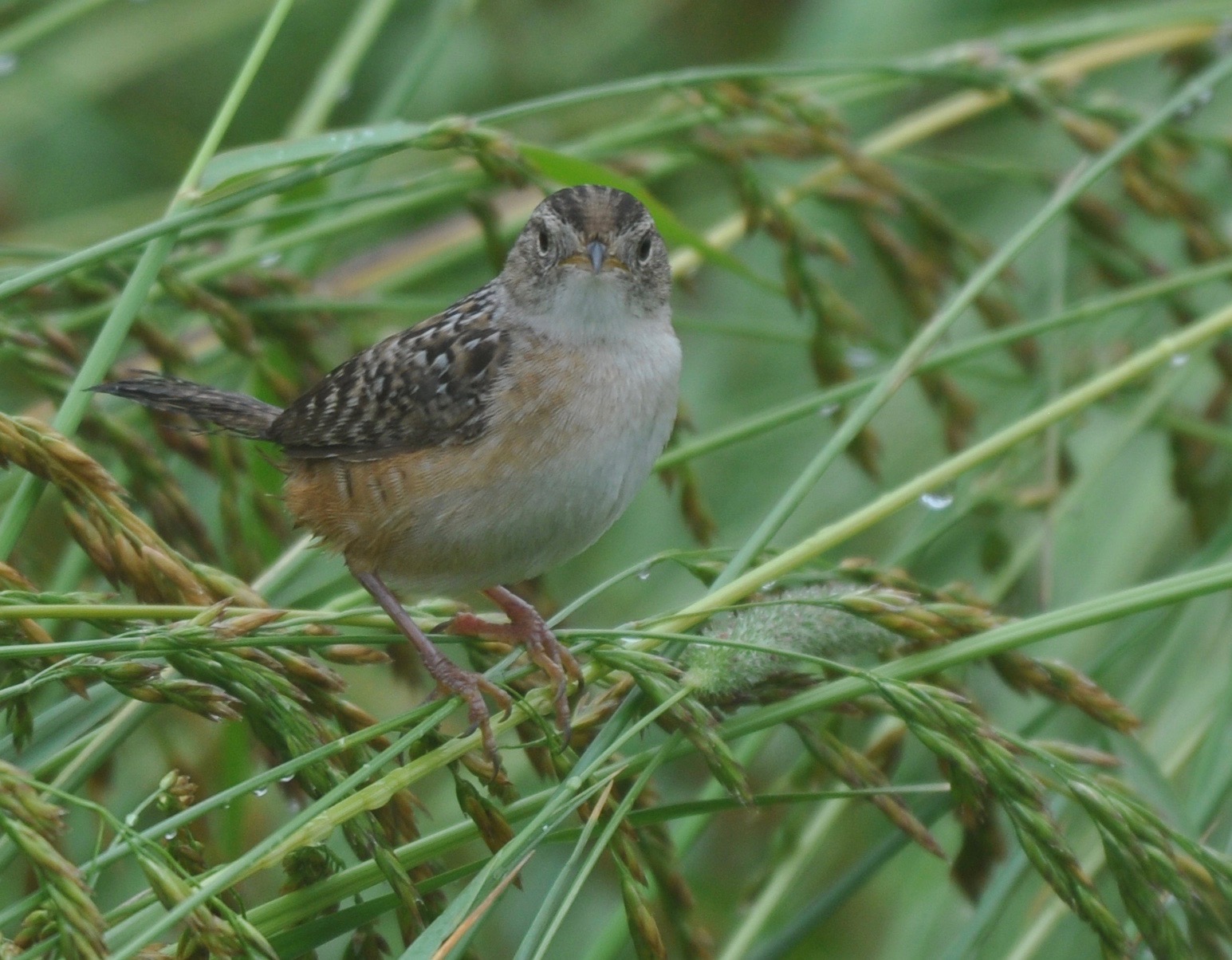
By Aaron Bourque.
Which might give the Bafflin Sanctuary an advantage in attracting these birds again.
In any case, Connecticut Audubon welcomes visitors to view the birds. The Center is at 218 Day Road. The wrens are observable from a platform on Day Road. However the young birds fledged on July 18th or early on the 19th, and they and their parents are now foraging in a wider area. As summer progresses, scores of other grassland birds, particularly Bobolinks, will gather nearby to feed before migrating. So the birding is likely to be great.
In addition to being endangered in Connecticut, the Sedge Wren is endangered in Massachusetts and threatened in New York. The IUCN however lists it to be of “least concern” overall because its range is so large, covering much of the eastern half of North America.
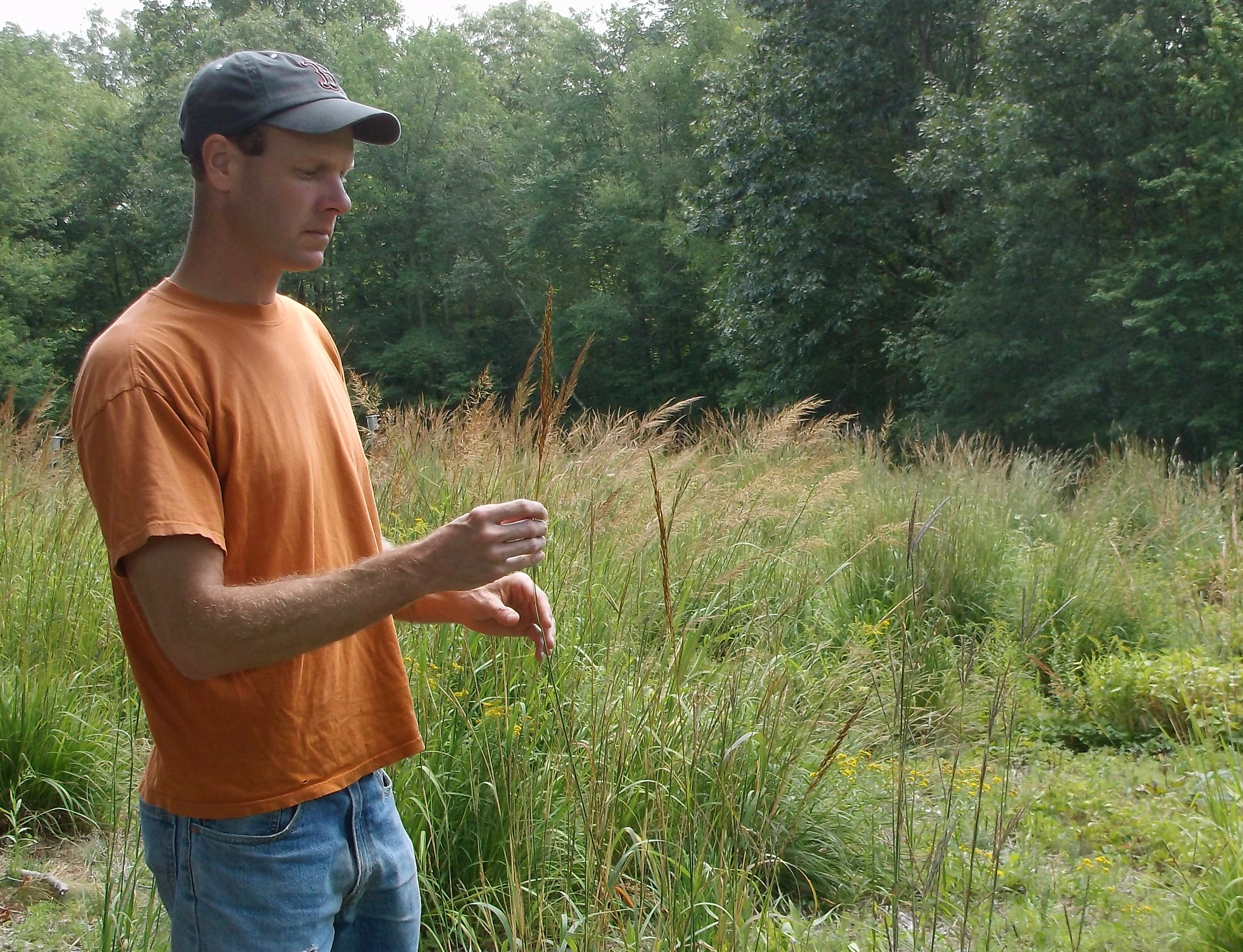
“This particular field that they nested in had some major management changes done to it three years ago.
“I used to just mow the field once a year in October. It was full of nice wildflowers such as goldenrods, milkweeds and Joe-pye weed. But it also contained a large percentage of woody vegetation like bittersweet, multiflora rose, blackberry, poison ivy etc.
“I never observed a single grassland nesting bird use this field for nesting.
“So I decided to have a local farmer come in and plow and harrow the field and re-plant with grasses like timothy, fescue and red clover. He did this at zero cost to Connecticut Audubon in exchange that he could cut the field when he wanted for the first two years. On year three (which is this year) he couldn’t cut the field until after July 15. The field most likely won’t be cut until next week at the earliest due to weather conditions and other fields that I asked him to do first.
“The interesting thing about the location of the Sedge Wren nest is that it’s located in Reed Canary Grass. This is an invasive non-native grass which I have had zero success in controlling or eliminating. It only grows in the wet areas of the fields, forming a very thick dense tall grassy area. Mowing this grass really works the equipment hard when I actually cut it even in the winter!
“Even with the newly planted field the canary reed grass still took over the wet area. The second singing male is located across the street in the large 30-acre grassland behind our equipment barn. It might have a female, but the females are very quiet and secretive, and they are easily overlooked until they are feeding young birds on the nest. This bird is also located in thick reed canary grass. There is a long strip of wetlands through the middle of this field that has been colonized by the reed canary grass. So we seem to have quite of bit of habitat for multiple pairs to possibly nest.
“This large field isn’t mowed until December or January. This is our best grassland on the preserve. Bobolinks and Savannah Sparrows nested here this year and meadowlarks have nested historically there.
“Right now the post-breeding bobolinks from all the surrounding areas are starting to feed in this field. By August, there will be 200 – 300 bobolinks feeding there until sometime in September. Most winters Northern Harriers, meadowlarks, and a Short-eared Owl will use this field as well.”