Welcome to our new website!
Frank Dinardi

Conservation Science

Conservation science at RTPEC bridges rigorous research with real-world impact. Through our projects, we generate the evidence needed to understand ecological systems, assess influence to biodiversity, and design solutions that are both scientifically sound and socially relevant.

From field-based studies to advanced analytical approaches, we collaborate with communities, and policymakers, to ensure that science translates into effective conservation action—protecting ecosystems, sustaining biodiversity, and strengthening the relationship between people and the natural world.

Research Projects

Lieutenant River Habitat and Riparian Zone Protection and Restoration Project

Located along the edge of the RTP Estuary Center Sanctuary, this project will strengthen and restore critical costal habitat while enhancing the sanctuary’s climate resilience.


Learn More

Long Island Sound Estuarine Resiliency Project

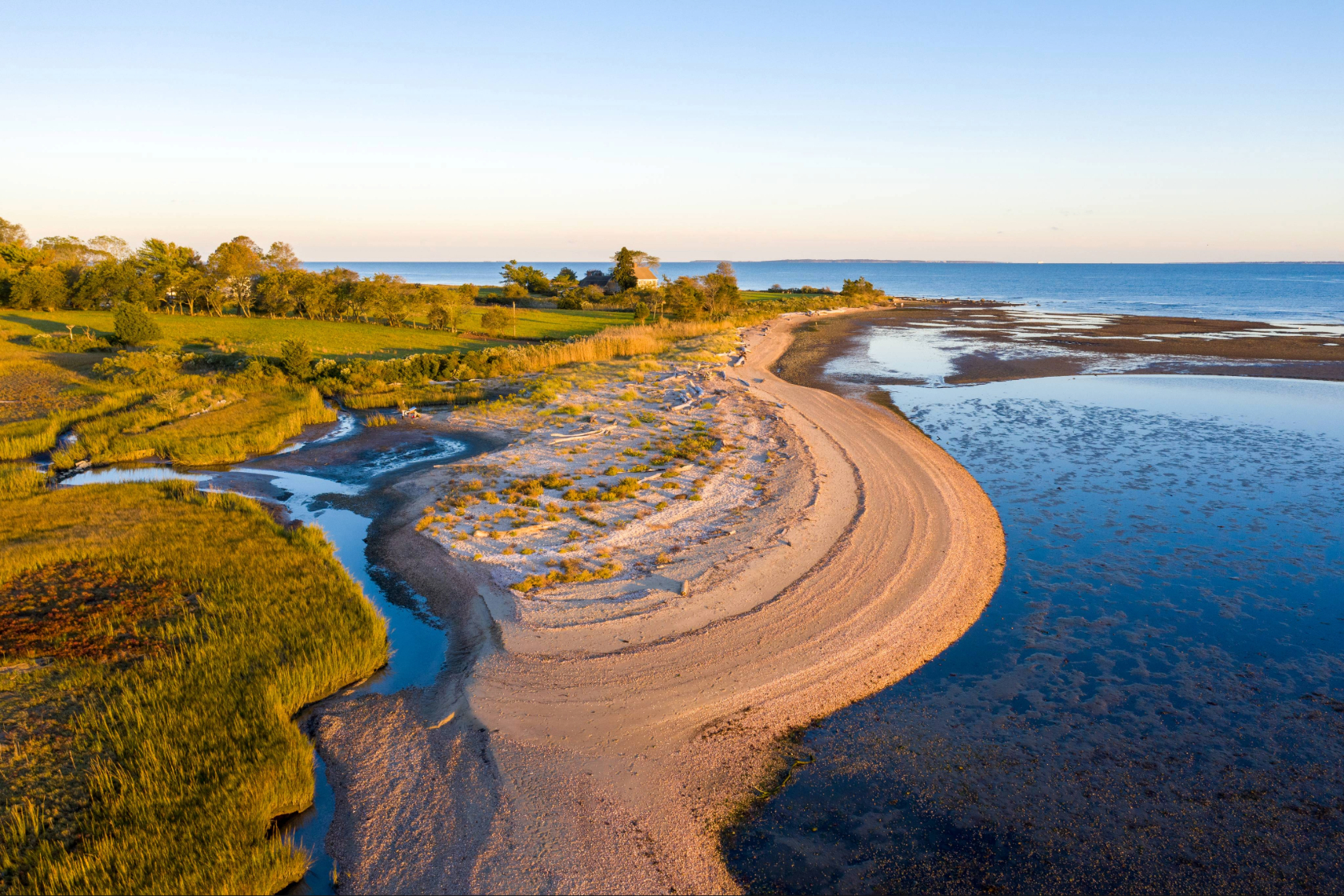
The RTP Estuary Center is participating in a project to build and install sustainable shoreline structures at Griswold Point to promote oyster restoration and coastal resilience.


Learn More

Monarch Watch

Monarch Watch is a national program that tracks the seasonal migration of monarch butterflies. Monarchs are in decline, partially due to the loss of milkweed habitat. In 2024 and 2025, the RTP Estuary Center successfully tagged monarch butterflies for migration tracking.


Learn More

Neonic Community Water Quality Testing Project

This project aims to pilot community-based neonicotinoid pesticide (neonic) sampling and testing on the lower Connecticut River.


Learn More

RTP Estuary Center Bird Count

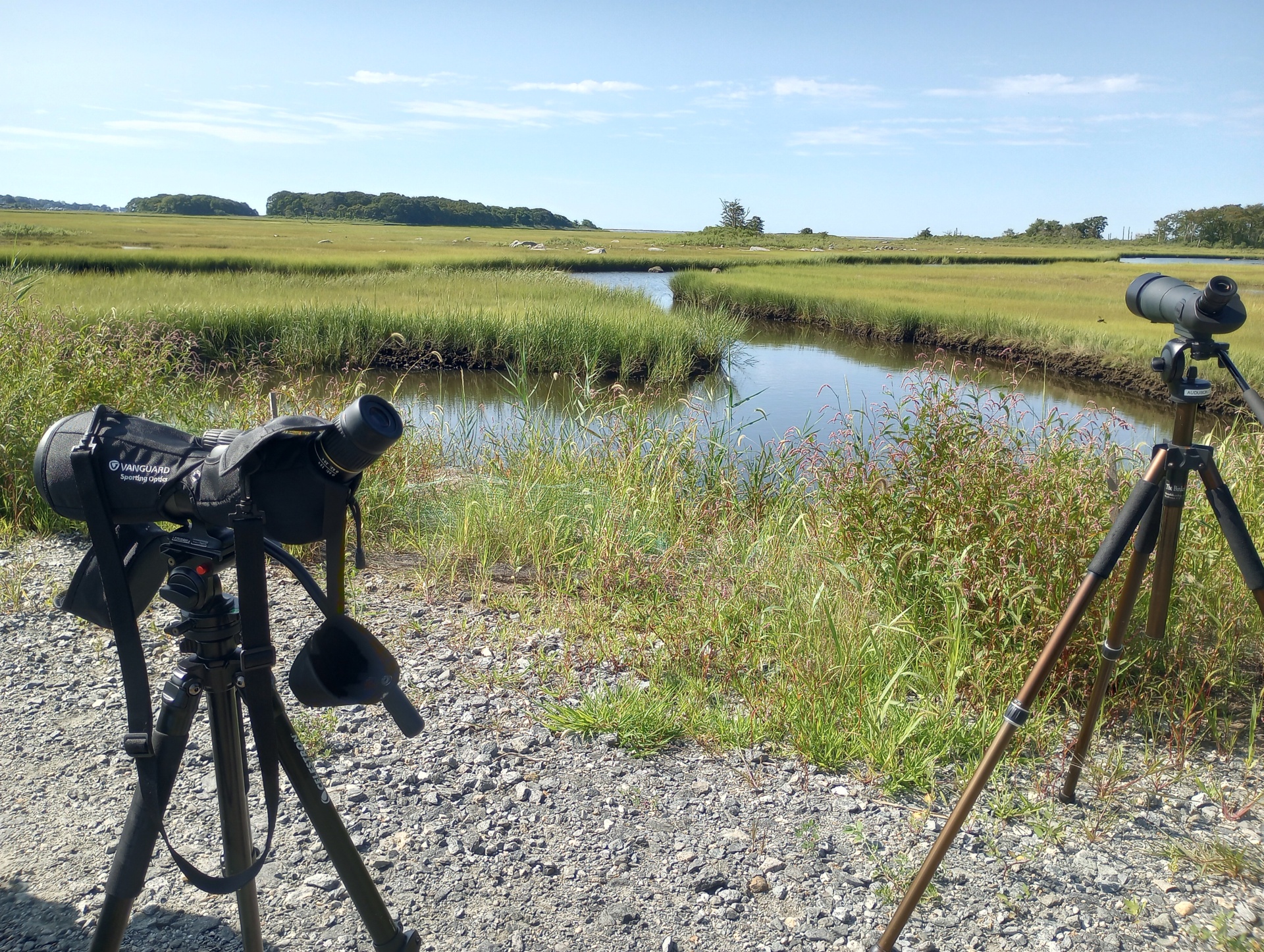
Each month, the RTP Estuary Center conducts a bird count, tracking bird species on the sanctuary and highlighting new and seasonal sightings to share with the public.


Learn More
Past Research Studies

Tree Swallow Roost Study

RTPEC is participating in a study of the Tree Swallow roosts on Goose Island, using Next Generation Weather Radar (NEXRAD) to look at the effects of wind and date during fall migration.


Learn More


Submerged Aquatic Vegetation Study

This six-year study, using college students as interns, examined the diversity and distribution of submerged aquatic vegetation along the lower Connecticut River.


Learn More

Community science programming provides community members with opportunities to get involved in collecting scientific data and participating in conservation science research throughout Southeastern Connecticut.

More information below on the programs and training dates!

Community Science Opportunities

FrogWatch USA


FrogWatch USA is a community science program designed to monitor frog and toad populations through their calls. Frog populations are indicators of environmental health, and monitoring them assists conservation and stewardship efforts. Volunteers are trained to identify local frog and toad vocalizations and submit the data from their listening sessions.


By participating in the program, volunteers help scientists monitor amphibian populations and the health of the ecosystems they inhabit. This program is conducted in partnership with Mystic Aquarium.


Learn More

Firefly Atlas

Firefly Atlas is a national program designed to better understand and conserve the diversity of fireflies in North America. Fireflies use a pattern of light producing flashes to find and recognize each other. Participants attend a training session at the RTP Estuary Center to discuss how to collect data for Firefly Atlas and how to recognize flash patterns. Using monitoring supplies provided by the RTPEC, volunteers will choose a local observation site. Participants will start monitoring after sunset and record information on habitat, weather, firefly species, and flash patterns.


Learn More

Great Backyard Bird Count

The Great Backyard Bird Count (GBBC) is a four-day global event, integrated with the eBird online checklist program. Participants submit observations from more than 120 countries documenting more than half the world’s species. Learn how to participate in the count and what birds you can see in Connecticut in winter in our webinar, then search for birds with us at the Roger Tory Peterson Estuary Center.


Learn More

Odonata Central

Odonata Central is a national program designed to expand the understanding of the distribution, biogeography, biodiversity, and identification of Odonata—dragonflies and damselflies—in the Western Hemisphere. Participants attend a training session at the RTP Estuary Center to discuss the biology of odonates and how to collect data. With monitoring supplies from the RTPEC, volunteers will choose a location to monitor, photographing and identifying dragonflies and damselflies that they encounter.


Learn More


Project FeederWatch

Project FeederWatch, run by the Cornell Lab of Ornithology, aims to track winter populations of birds throughout North America. It runs from November 1 to April 30, and provides information on wintering populations, as well as habitat and resource use. Participants monitor birds in their area (no feeders are needed) and provide weekly data on when and where birds are. The RTP Estuary Center participates in FeederWatch, monitoring birds at the feeders in our sunken garden.


Learn More

Project Limulus

Project Limulus is a regional program organized by Sacred Heart University in Fairfield. The objective is to better understand the distribution, movement, longevity, and mortality of horseshoe crabs in Long Island Sound. Horseshoe crabs are a near-threatened species, and overharvesting has led to a dramatic decline.


Participants can attend a virtual training session via Zoom to discuss the biology of horseshoe crabs, as well as the protocol for counting and tagging at the beach. A separate day will be dedicated to the beach event to take part in tagging and monitoring horseshoe crabs. 


Learn More


Shorebird Monitoring

The Shorebird Monitoring program trains and coordinates volunteer stewards to work with state and federal agencies to monitor nesting coastal birds and educate the public. This project is conducted in partnership with the Audubon Alliance for Coastal Waterbirds, Audubon Connecticut, DEEP, the Roger Tory Peterson Institute of Natural History and US Fish and Wildlife. 


Learn More

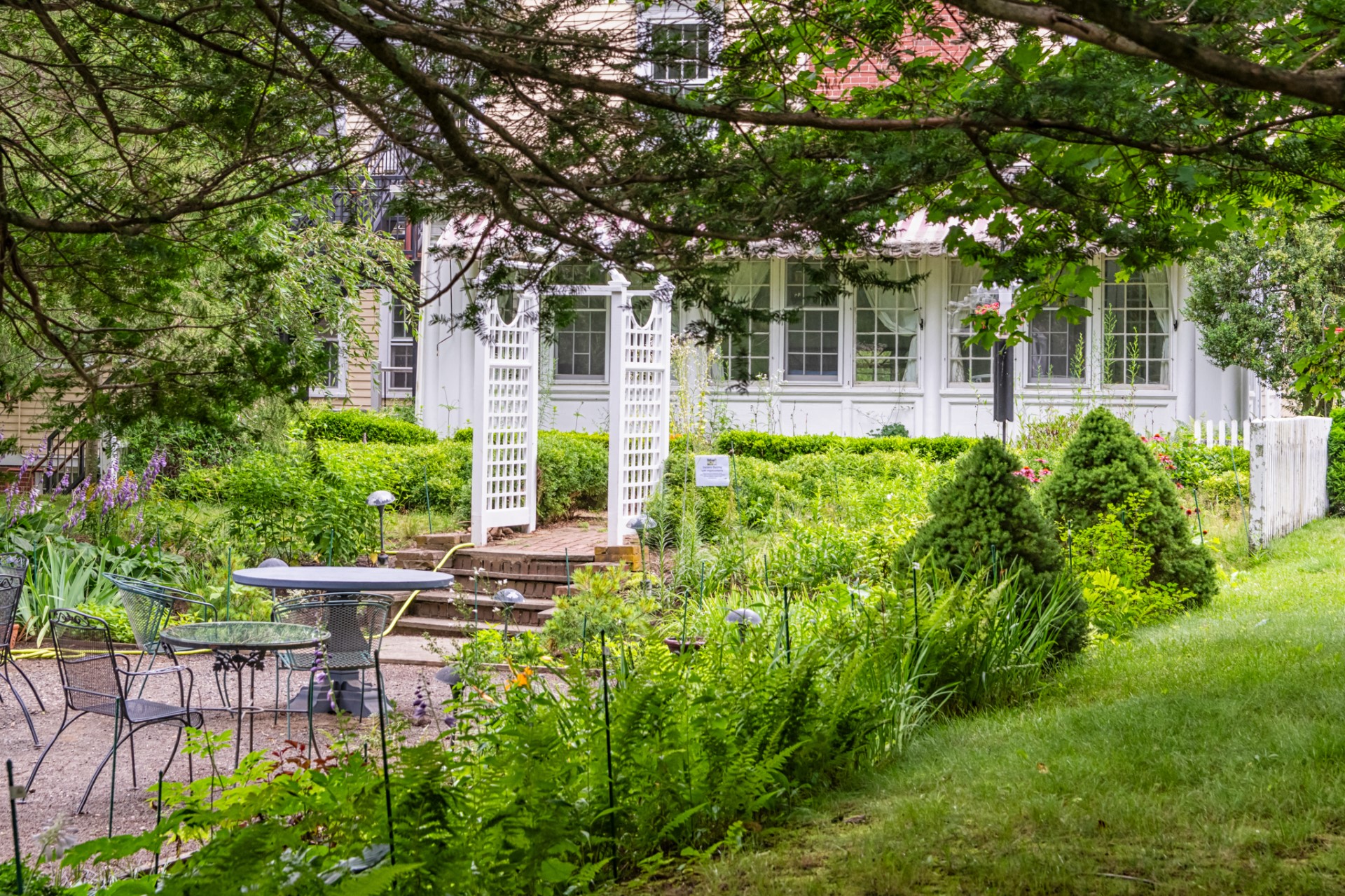
The RTP Estuary Center's living sanctuary is where beauty, ecology, and community thrive in every season. Our sanctuary is a place where land, water, and story come together in quiet harmony. A storywalk invites visitors of all ages to wander and reflect, while sweeping views of the Lieutenant River and surrounding wetlands offer moments of stillness and awe. Expanses of open lawn provide space to gather, relax, birdwatch, or simply breathe deeply in the presence of nature. Open to all throughout the year, the sanctuary invites you to wander, rest, learn, and reconnect. Whether in the vibrant bloom of summer, the golden hush of autumn, the quiet architecture of winter, or the hopeful stirrings of spring, this RTPEC Sanctuary is a place of renewal—where community and nature meet in harmony.

Wildlife Cam

Check out the latest sightings on our sanctuary!

Air Monitoring

Loading PurpleAir Widget…

We’ve installed a PurpleAir monitor at the RTP Estuary Center as part of our ongoing commitment to environmental conservation. The monitor allows us to track local air quality and add to a community database, which can be used by weather tracking organizations, climate scientists, and the general public to learn more about the air around them. 


PurpleAir monitors measure the concentration of air pollutants, providing real-time data on air quality conditions. By placing these monitors at our centers, we aim to educate about pollution and its impact on both human health and the environment. 


Air quality is a critical component of environmental health, as poor air causes respiratory issues to people and wildlife. Birds are especially susceptible to poor air quality, but natural spaces like wildlife sanctuaries provide a pollution buffer and improve the overall health of the area. These monitors will allow us to better understand local air pollution levels and how green spaces impact them.

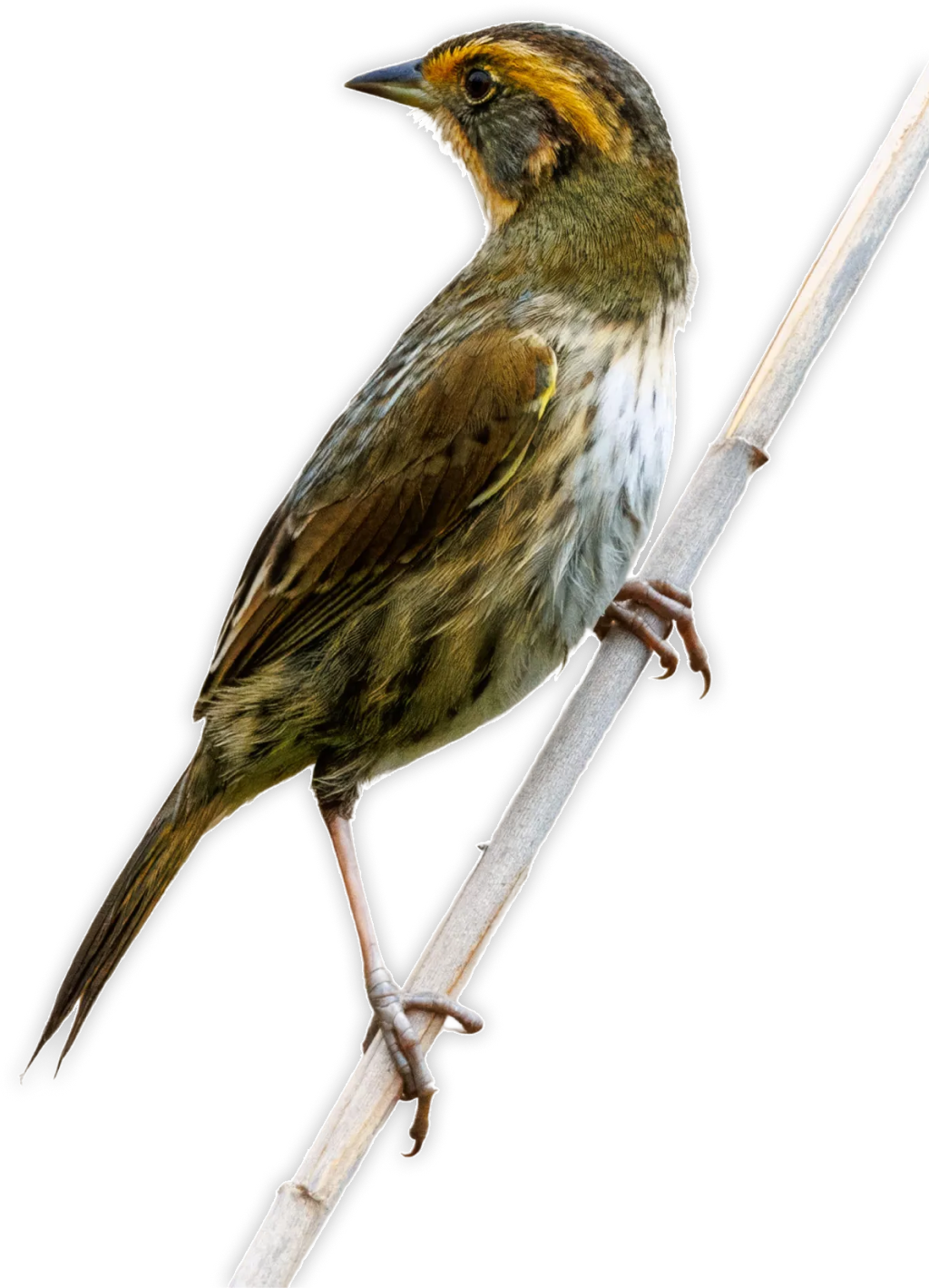
Saltmarsh Sparrow